brand protective odor abatement using zeolite rotor style concentrators?
Initiating
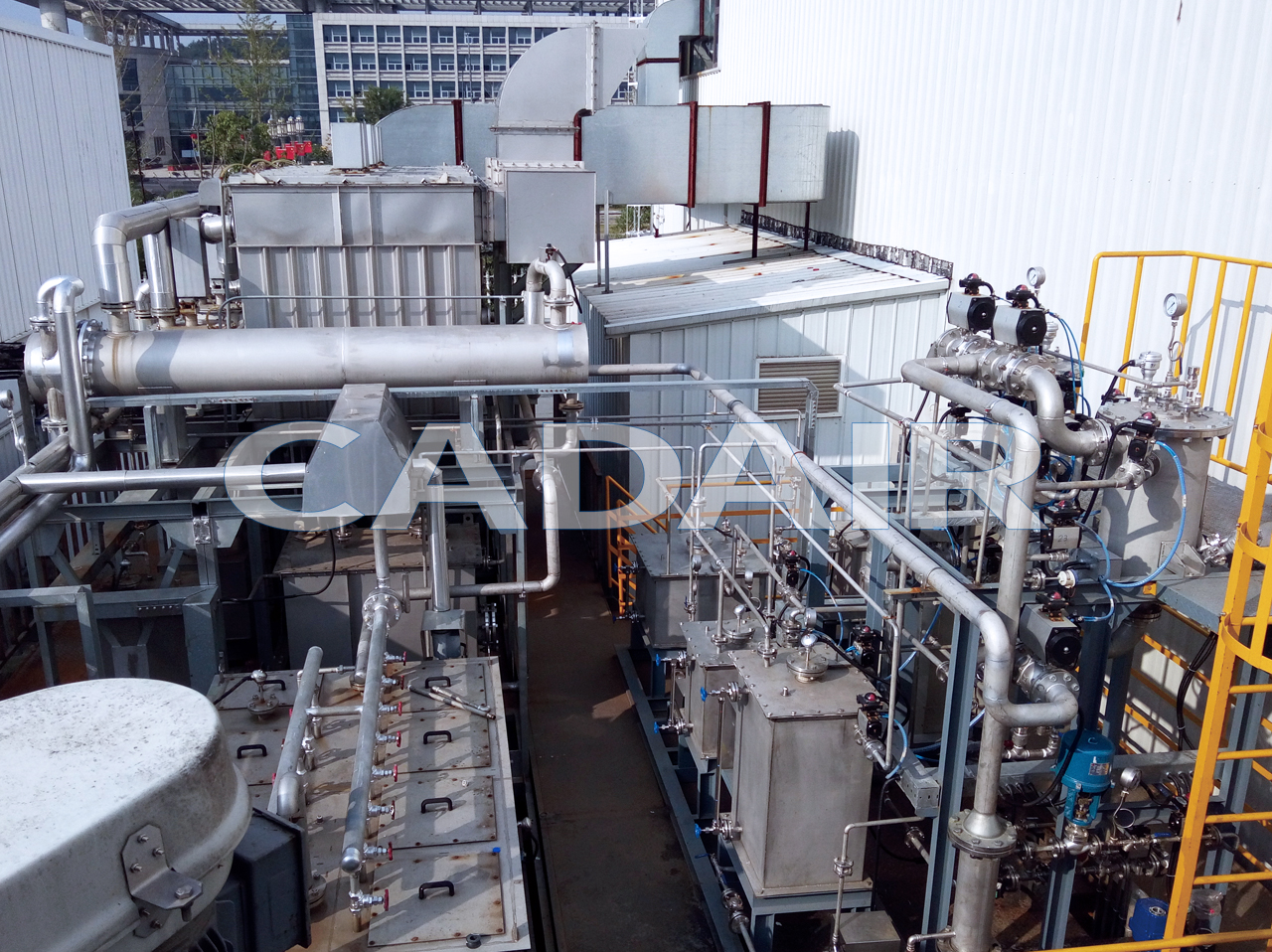
VOCs are critical pollutants (Substances) jeopardizing human well-being and ecosystem. Classical treatment systems require substantial power and originate unsafe secondary waste. Zeolite revolving units supply clean technologies, providing efficient VOC capture among gaseous emissions. These materials feature high surface area and unique pore structure supporting strong VOC absorption.
- In addition, zeolite rotating components refurbish, minimizing environmental impact and costs.
- Consequently, zeolite rotary innovation expands in diverse production contexts, including industry contaminant treatment, indoor ambient treatment, and fluid waste management.
Application of zeolite turntable mechanisms reflects critical evolution facilitating responsible VOC clearance, bringing nature-friendly and cost-effective results.
Thermal Oxidation Regenerators: Top Air Purification
Thermal recuperative oxidizers enable pioneering air refinement. These units use heating and oxidation techniques of contaminated gases at elevated heat levels, effectively oxidizing toxins into nonhazardous results. Recovered warmth enhances sustainability. Such oxidizers efficiently remove VOCs, particulates, and airborne toxins. They find roles across diverse manufacturing, medical, and effluent treatment fields.Benefits include improved air quality, environmental protection, and cost reductions. Complementarily, petite structure and straightforward maintenance classify them feasible.
Catalytic Cleaning Systems: Emission Minimizing Technologies
Manufacturing procedures release toxic fumes. Catalytic breakdown circuits lessen environmental threats. Catalyst components modify damaging molecules into harmless residues. They speed pollutant breakdown supported by energy savings.
Various catalysts apply in different applications, including rare earth materials like osmium and rhenium. Best catalyst selection mandatory to improve efficiency. Catalytic reactor design secures effective pollutant contact to maximize oxidation progression.
Catalytic units outperform classic approaches by targeting. They isolate individual noxious agents minimizing side effects. Supplementarily, they deliver results under mild warmth enhancing efficiency. Continued catalyst R&D advances emission control facilitating cleaner processes and healthier environments.
Enhancing Regenerative Catalytic Oxidizer Effectiveness
Reaching top efficacy requires careful variable management. Determining proper catalyst varieties is core. Fine-tuning settings like heat intensity and process time elevates performance. Observation and measurement tactics secure reliability. Ongoing servicing and assessments bolster durability of the system and function.
Zeolite Roles Within Thermal Oxidation Units
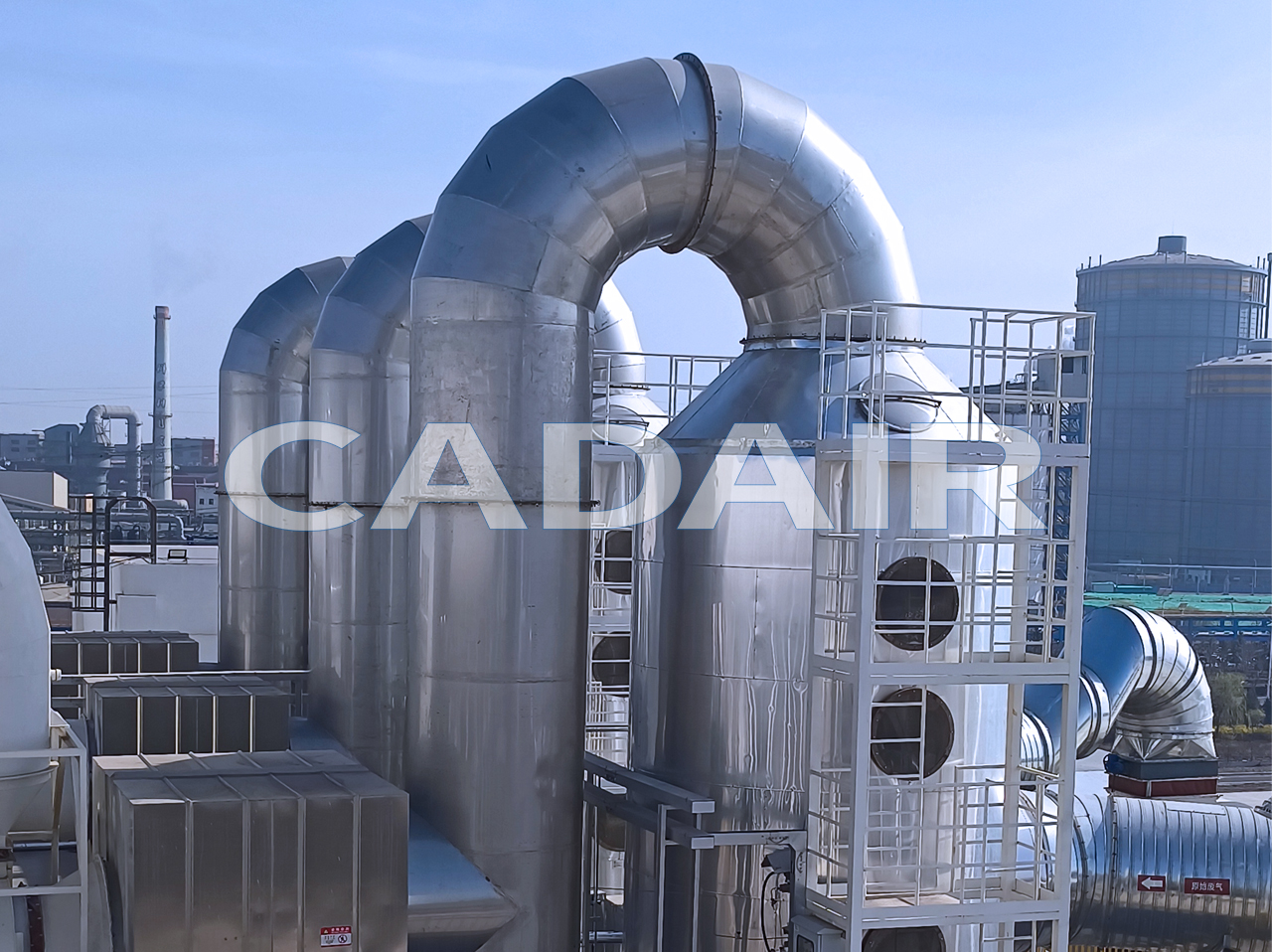
Thermal regeneration units remain key in abating VOC output. Zeolite frameworks facilitate pivotal actions by molecular capture and catalyst properties. Specialized VOC adsorption heightens oxidative power. Complementarily, zeolite catalysts enable faster breakdown lowering operational energy and increasing yield.
- Therefore, integrating zeolites in thermal oxidizers enhances pollutant removal, conserved energy, and environment.
Reviewing Synthetic Zeolites Compared to Established Catalysts
New catalytic technology progress encouraged analytical comparisons of synthetically created zeolites evaluated against usual catalysts. These investigations analyze catalyst effectiveness, discrimination, temperature resistance, and expense. Ultimately assessing zeolite efficacy in completing VOC oxidation in RTOs. The results support more effective and green emission mitigation strategies.
- Zeolites possessing extensive porosity and surface region hold catalytic advantages.
- Conventional catalytic agents mainly oxide-based show drawbacks in efficiency and specificity.
In addition, investigations examine thermal conditions, exposure duration, and input gas effects on zeolitic and traditional catalysts. This thorough review enables improved selection and tuning of RTO catalysts optimizing VOC abatement with minimal energy expenditure.
Model-Based Optimization of Regenerative Catalytic Oxidizers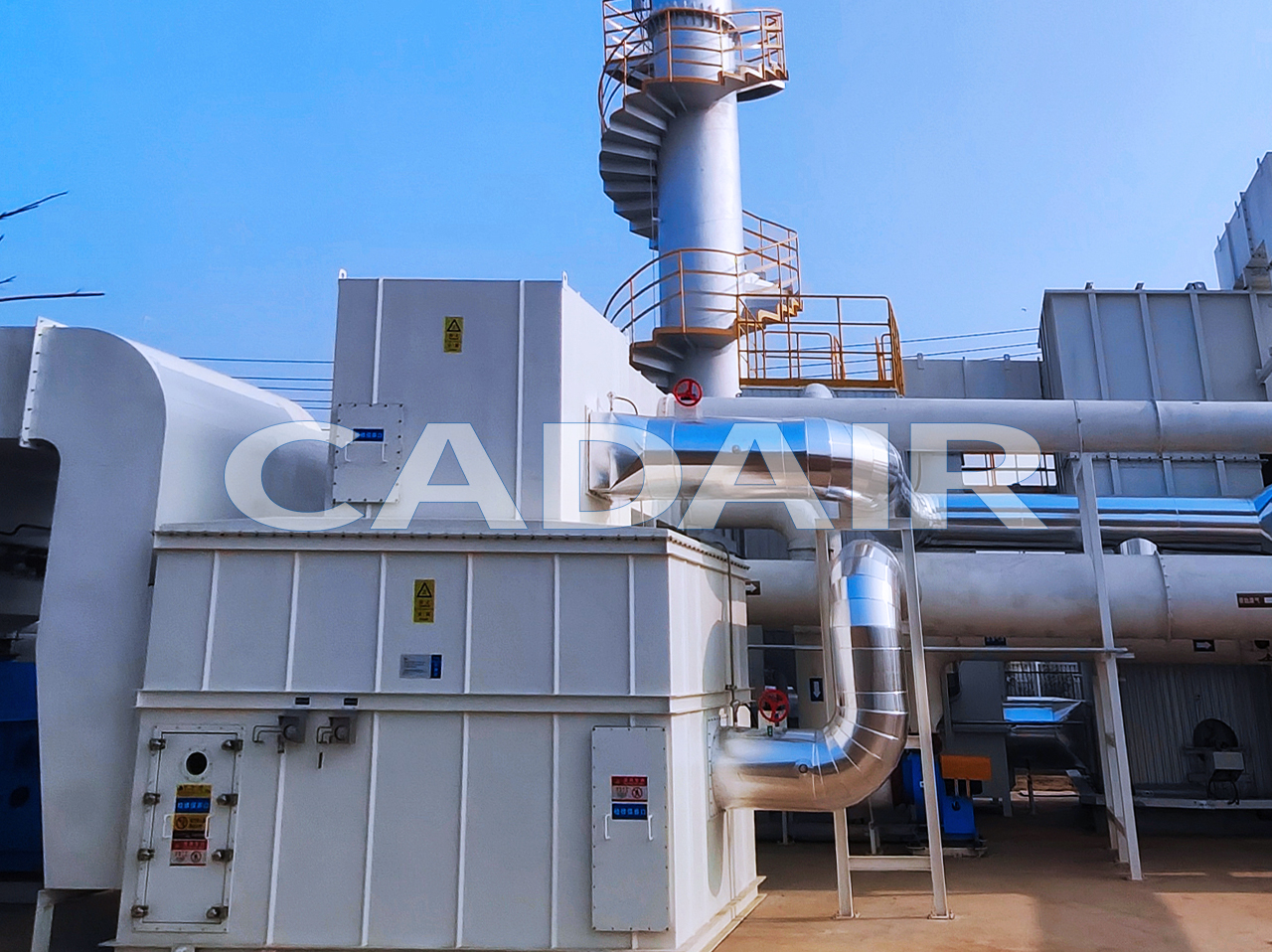
Modern regenerative catalytic devices exemplify comprehensive mechanisms treating contaminated air. They operate catalytic mechanisms to remove pollutants yielding sensible heat resultant. Their system sophistication necessitates accurate simulations aiding analysis and enhancement. Computational models enable prediction of key Regenerative Thermal Oxidizer parameters under variable operational conditions. Subsequently, modeling efforts disclose drawbacks assisting creation of next-gen catalytic oxidation equipment.Thermal vs. Catalytic Oxidation: Assessing Suitable Solutions
Selecting suitable oxidation methods involves multifaceted evaluations. Heat-driven or catalyst-enabled oxidation show different assets and disadvantages. Thermal oxidation relies on elevated temperatures to drive chemical reactions. Catalyst-assisted oxidation enhances chemistry at reduced temperatures. Choice alters with productivity, investment, and targeted chemicals.
- Heat oxidation frequently achieves superior breakdown but uses more power
- Catalytic oxidation functions under softer warmth lowering price and atmospheric discharge
Fully understanding process needs is crucial to select appropriate technologies. Consulting industry experts helps optimize decisions combining effectiveness and resource responsibility.
Zeolite Rotor Solutions for Air Quality Improvement
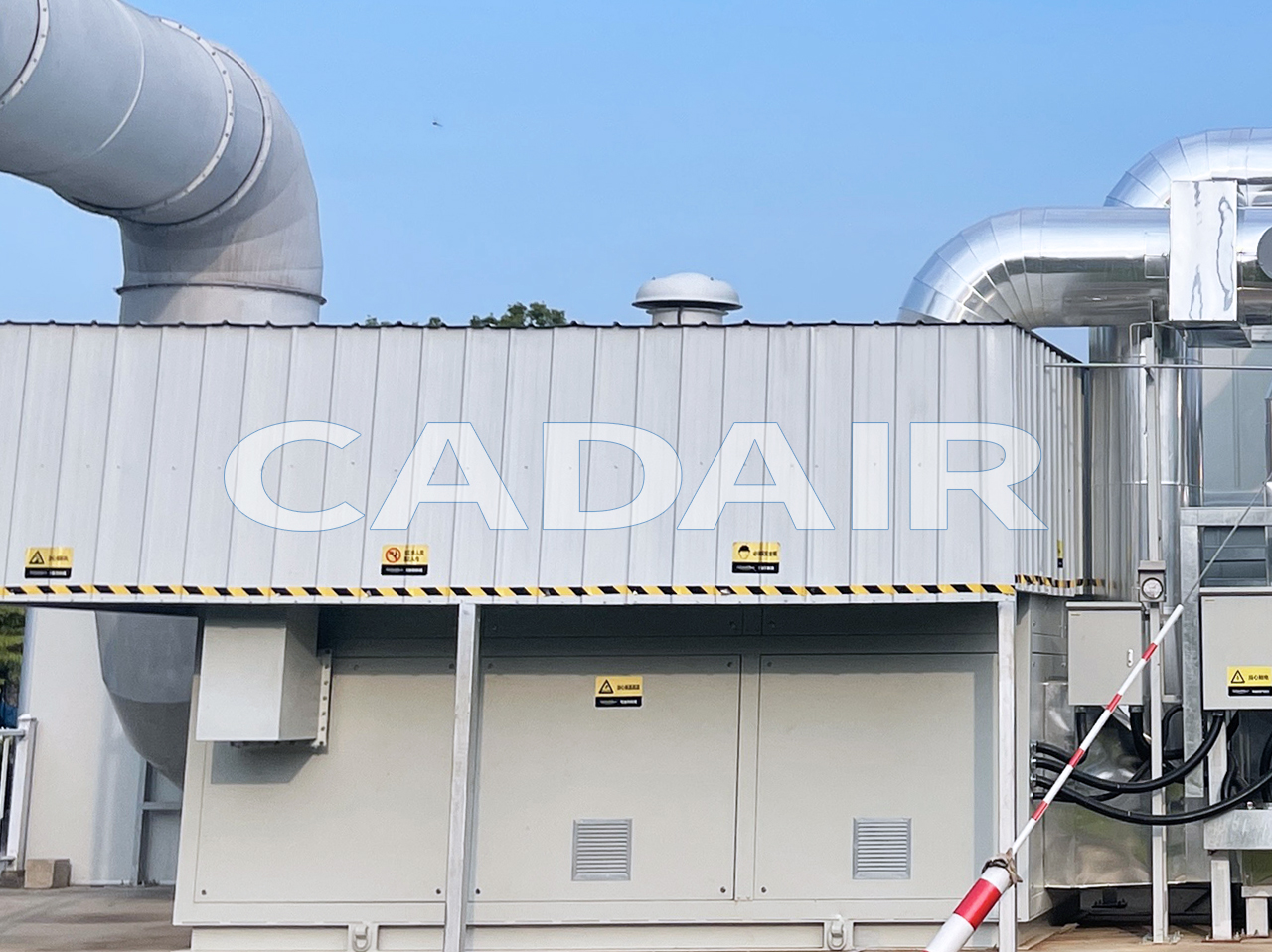
Zeolite rotor engineering displays capabilities for emission management across factory and vehicle industries. Built of crystalline porous frameworks, rotors absorb pollutants via contact-based, chemical, or electrostatic forces. The rotating action ensures continuous, efficient emission control. Various zeolite formulations can be tailored for specific pollutants like carbon monoxide, nitrogen oxides, and VOCs, making this technology adjustable, supple, and comprehensive for broad ecological issues.
- In addition, such technology offers distinct benefits over conventional air pollution systems, including:
- Diminished fuel consumption.
- Compact design.
- Superior pollutant extraction.
Continuous exploration and technical development foster growth in zeolite rotor systems, promoting green advancements across sectors.
Affirmed Results from Regenerative Oxidizer Deployments
Across the advancing oxidizing segment, regenerative oxidizers emerge as formidable and successful options. Their talent in recycling harmful emissions into valuable commodities receives notable acclaim.
- One significant case features regenerative oxidation cutting huge contamination at an industrial chemicals facility achieving great contamination decrease and demonstrating environmental benefit potential.
- Further example captures regenerative oxidizers employed in power plants converting biomass into energy enabling effective and sustainable power generation using biomass waste offering clean substitute for conventional carbon fuels.
Such data reveal regenerative oxidizers’ flexible deployment and high efficiency across sectors. As R&D continues improving, expect more transformative applications for this promising technology in upcoming years.
The Future of Air Pollution Control: Zeolites and Regenerative Systems
Amid growing global air pollution concerns, urgent, innovative approaches are needed. Groundbreaking efforts emphasize zeolite-based regenerative system harmonization. Lauded for notable capture and flexible pores, zeolites offer potent gas cleansing. Joined with sustainable units, they allow repeated toxin elimination and reclamation lowering residues and encouraging eco-friendliness. This synergy creates robust frameworks responding to diverse environmental obstacles featuring factory contaminants, mobile air pollutants, and indoor atmospheres. What's more, relentless exploration perfects zeolite formulations and renewable system schemes, laying groundwork for superior and flexible purification platforms.
- State-of-the-Art Zeolite Forms
- Sustainable Unit Enhancement
- Anticipated Role in Emission Reduction