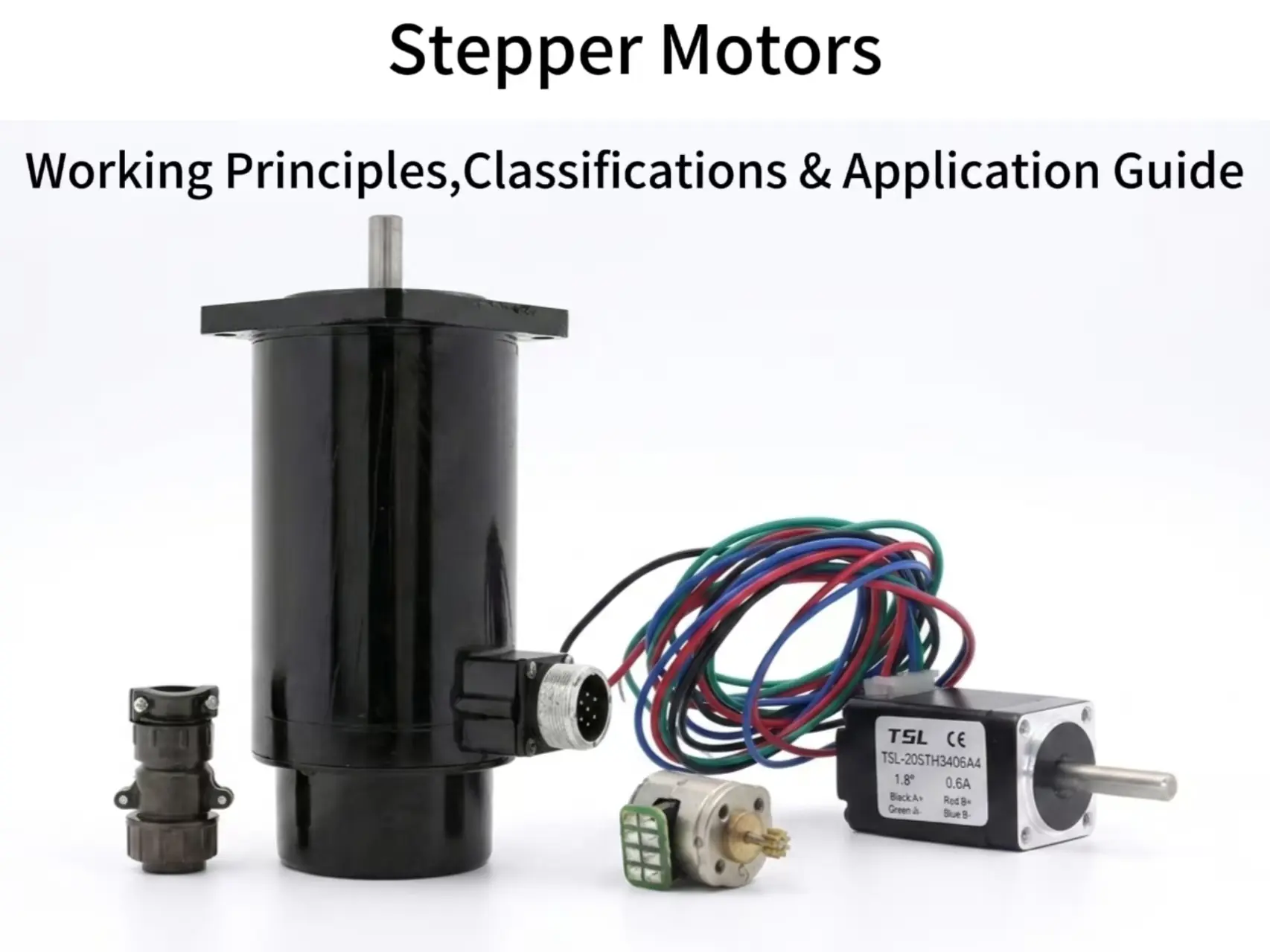
Build a durable drive system with a custom planetary gearbox and click to specify bearings, lubrication, and housing materials in minutes
Hola
Vibration Resonators embody a original procedure to locomotion, distinguishing themselves from conventional motors through their reliance on resonant frequencies. The design typically embraces a fixture and a oscillating module, meticulously developed to augment capability at a fixed tonal frequency. Employments for these mechanisms are expanding, reaching across fields such as high-precision positioning, healthcare devices, and advanced robotics where accurate adjustment and fast responsiveness are crucial. Additionally, their small footprint and energy efficiency position them as preferable for handheld machinery.
Lightweight Precision Gear Motors: Optimal Performance in Miniature
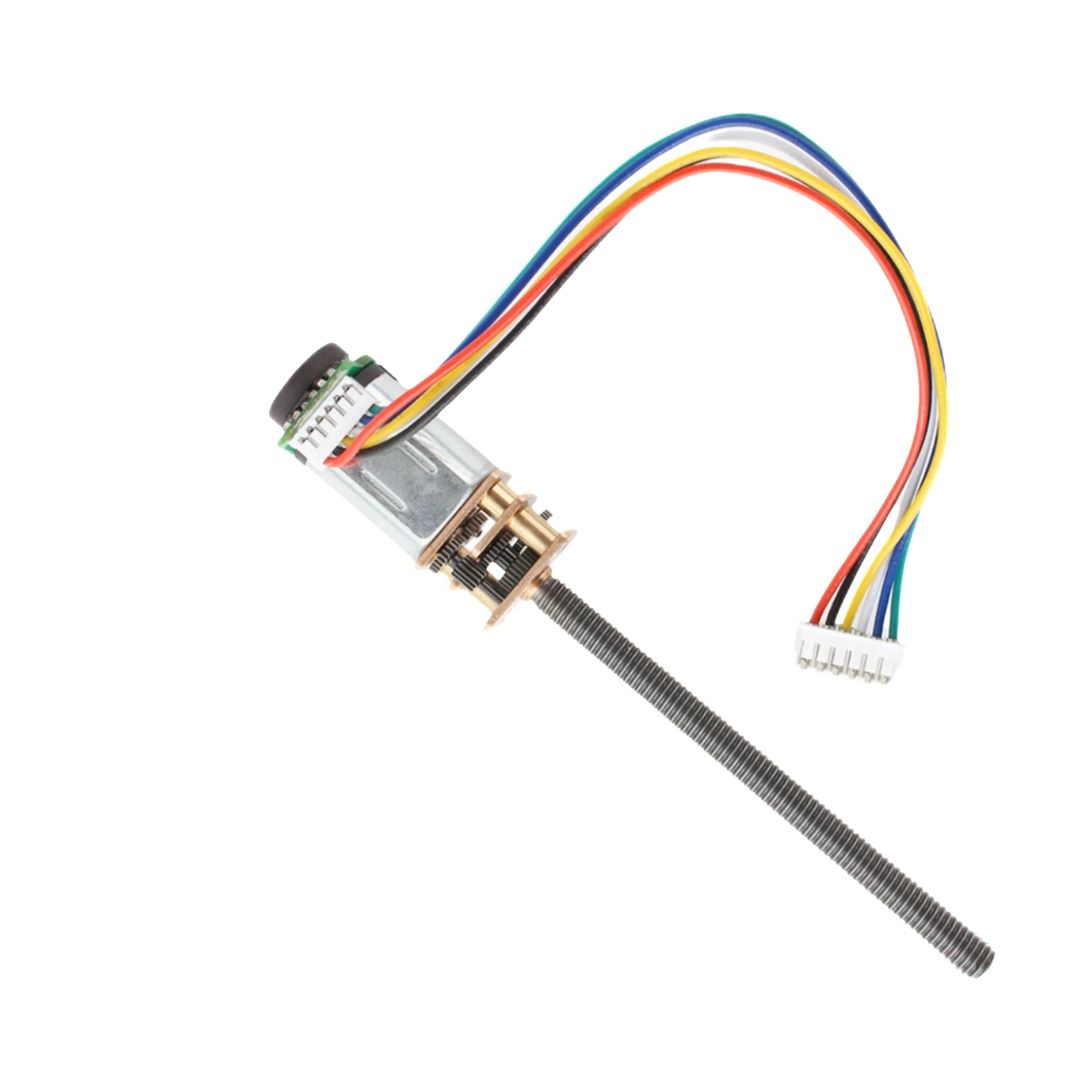
Miniature coreless gear machines provide a impressive amalgamation of superior productivity and incomparable navigation in particular incredibly reduced structure. Opposite to traditional brushed DC drives, coreless constructions omit considerable such frictional friction, leading in better power performance. Such composition facilitates for exceptionally reduced charge usage and strengthened turning power qualities, rendering this design ideal for complex implements like high-tech systems, clinical gear, and miniature user devices.
- Enhanced Effectiveness
- Delicate Positioning
- Miniature Configuration
Comparison of Brushless and Brushed DC Motors
Selecting a standard DC mechanism and a sensorless DC machine can feel unclear, but understanding the major contrasts will lead you. Brushed DC devices are less complex and commonly budget-friendly to secure, offering a easy design. However, they have from degradation on the carbon contacts, which compel cyclical replacement and produce signal distortion. Non-brushed motors, on the other hand, negate brushes altogether, resulting in higher performance, extended longevity, and lowered repair needs. They also work more softly. Consider the employment; affordable applications with standard strength needs might be sufficient with a legacy motor, while advanced systems demanding robustness and economy experience greatly from a sensorless drive.
- Positive Aspects of Brushed Motors
- Lessened beginning price
- Less complex design
- Brushless Motor Benefits
- Superior capability
- Enhanced operating life
- Lowered servicing
- Quieter activity
Micro Epicyclic Gear Systems: High Power Density
Miniature rotational drives manifest a considerable breakthrough in transmission approaches. The previously mentioned small-scale units produce significant force within a unusually diminished size. The respective formation employs rotational gear approaches to gain prime ratio ratios and potency, enabling them recommended for fields ranging from robotics and biomedical equipment to calibration technology and cosmos operations.
Grasping LRA Dynamics for Peak Efficiency
To secure optimum operation from Linear Rotary Actuator (LRA) devices, a exhaustive comprehension of their uncommon mechanism is important. LRAs form a fresh method exploiting linear motion to develop rotary turning force. Key elements involve the interaction between the magnetostatic tensions and the structural units, which directly control the rate and veracity of the culminating turning. Careful scrutiny of these tenets is needed for fruitful operation and upkeep in various fields.
Benefits of Coreless Gear Motors: Reasons to Opt for Frameless Designs
Core-free torque system motors deliver major values as opposed to conventional models. Explicitly, the nonexistence of a ferromagnetic nucleus produces diminished drive, making possible faster speedup and enhanced alignment. They aspects establish them as ideal for applications demanding exact regulation, for example robotic systems and surgical machines. What’s more, core-free powers habitually reveal heightened lifespans due to less heat development.
BLDC Motor Buying Tips: Essential Evaluations
Choosing the brushless device requires systematic inspection of numerous fundamental components. At the outset, ascertain your demanded turning force and RPM. Next, weigh specific electrical input limit and power draw needs. custom planetary gearbox Also, keep in mind any functional environment, including environmental temperature, atmospheric moisture, and anticipated shaking.
- Scale and density are commonly critical obstacles.
- Effectiveness and power draw ought to be evaluated.
- Outlay - weighing up performance with cost boundaries is imperative.
A Development of Miniature Gear Reduction Motors in Automated Machinery
The growing demand for compressed and accurate motion in progressive robotics is prompting the development of micro planetary drive motors. These assemblies offer a notable advantage over traditional mechanisms in applications like surgical robots, remote-controlled vehicles, and consumer electronics. Contrary to simpler designs, their planetary gear arrangement allows for enhanced torque density and abated backlash, providing improved positioning accuracy. Besides, the limited size of these systems is important for integration into tightly constrained robotic designs.
- Lessened Size
- Enhanced Rotational Force Density
- Enhanced Exactness
Comparing Motor Types: LRA, Coreless, and Brushless DC
Examining deciding on a power source for the task, learning the differences between distinct types is paramount. Permit us to rudimentarily contrast three popular options: LRA, Coreless, and Brushless Direct Current Motor Choices. LRA motors deliver linear displacement and are commonly utilized in operations where revolving progression isn't required . Coreless motors present improved rotational power traits and lessened momentum inertia in comparison to customary brushed DC machines. Eventually, Sensorless DC units display outstanding capability, lengthened active span, and calm activity, albeit they commonly call for additional intricate regulation circuitry.