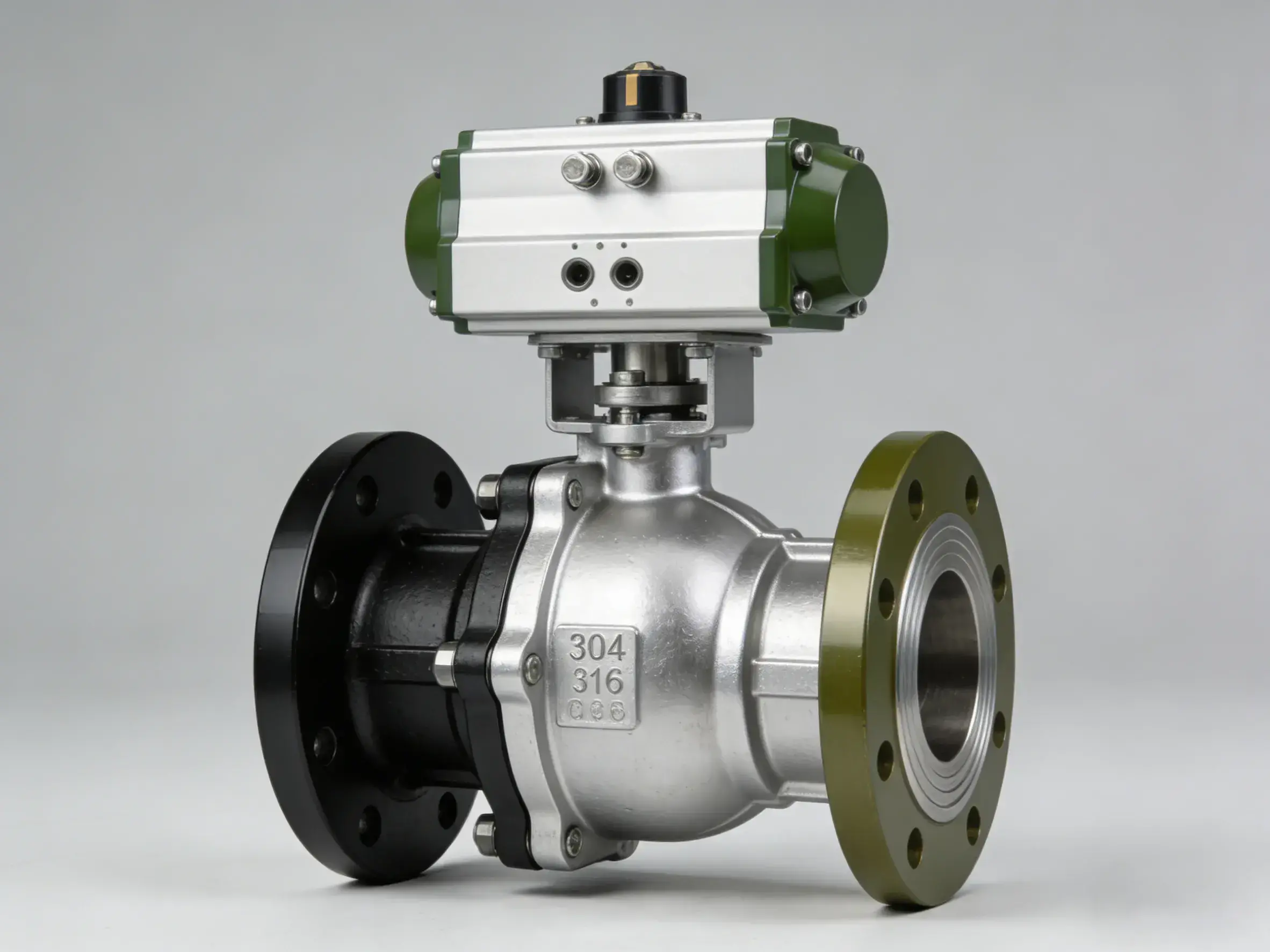
business ready rapid response solenoid valve assemblies?
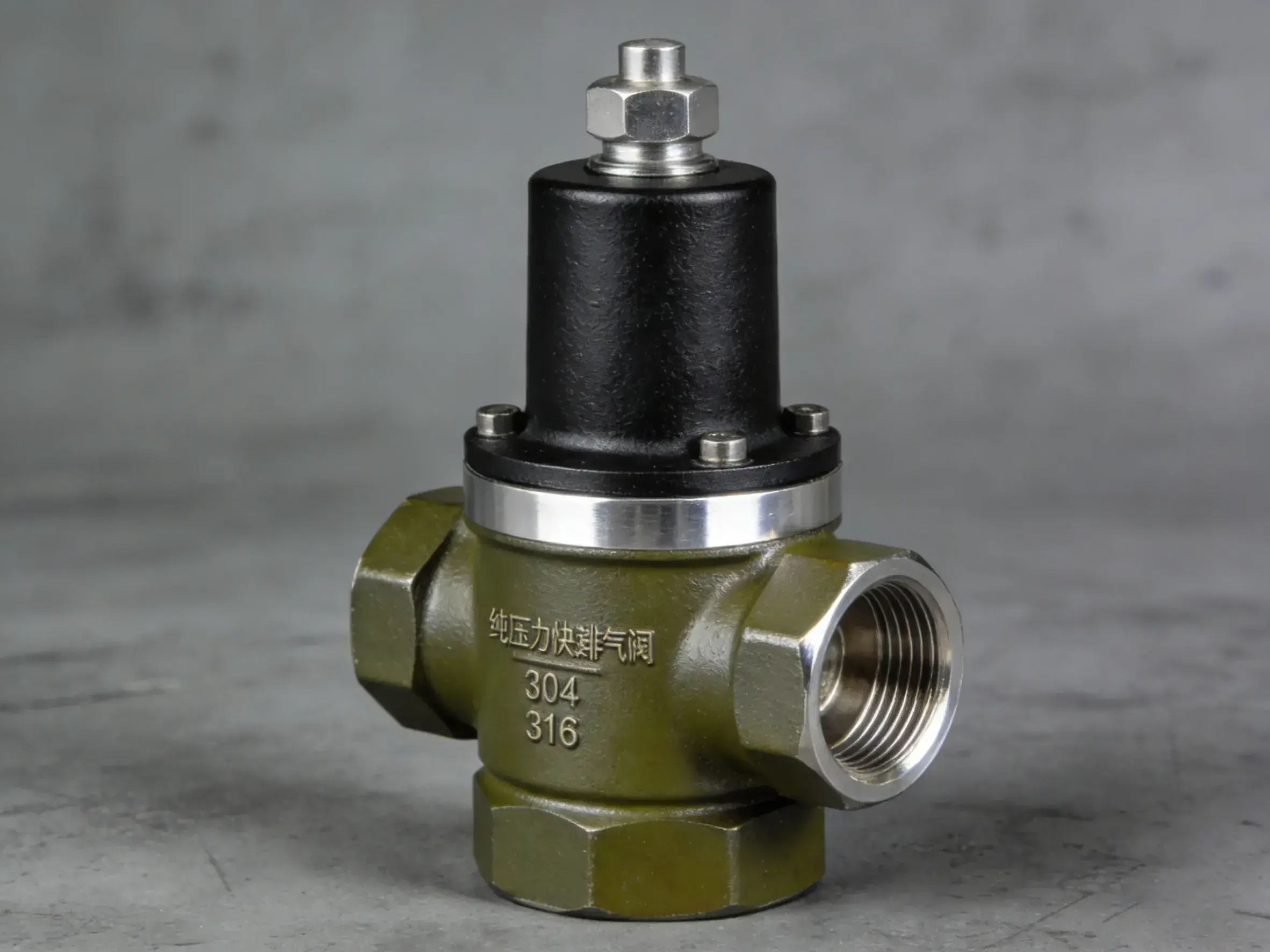
Crucial selection of valves for industry improves process performance and complete system functionality. To ensure optimal operation, it is crucial to meticulously choose valves that meet the prerequisites of your application.
A complete valve decision guide shall examine a array of variables like fluid properties, force magnitude, thermal parameters, flow amount, and steering demands. Moreover, it's essential to identify the desired valve actuation mechanism, such as pneumatic, hydraulic, or electric.
Detailed Evaluation of Butterfly Valve Operation
Defining precise performance benchmarks for butterfly valves is fundamental for professionals pursuing steady and reliable system activity. Study focuses on fundamental components affecting butterfly valve efficacy, embracing constituent traits, application surroundings, and measuring processes. Through meticulous review of these parameters, the document aspires to present a broad apprehension of impacts affecting butterfly valve operation.
- Construction features decisively dictate full functionality
- Constituent elements of valve frame considerably impact lifespan in versatile workplace situations
- Pressure drop is a key consideration when evaluating butterfly valve performance, especially in applications requiring high flow rates
Ball Valve Applications in High-Pressure Systems
Ball valves stand out as a reliable choice for managing high-pressure applications. Their plain structure incorporates a circular pellet with a hole that turns to direct the flow of liquids. This assembly successfully faces boosted pressure occurrences by reason of its durable closure.
Within disciplines such as hydrocarbon processing, ball valves occupy an important role in regulating amplified pressure channels. Their robustness qualifies them as fit to resist the impact of raised pressure elements.
- Additionally, ball valves offer rapid actuation, facilitating immediate flow control.
- Available in a variety of materials and sizes, ball valves can be customized to meet the specific needs of different high-pressure applications.
Knowing Diverse Valve Kinds and Their Features
In the realm of fluid dynamics, valves play a crucial role in controlling the flow of liquids or gases. Choosing a suitable valve classification is indispensable for guaranteed efficiency. Valves arrange based on their activity principle, composition, and utilization. Conventional valve forms embrace gate, globe, check, ball, and butterfly groups. Every variant displays distinct features, rendering them appropriate for particular uses. Specifically, gate valves govern flux entirely, but globe valves grant meticulous control of velocity. Check valves block reflux, assuring forward-only passage. Ball valves manifest rapid and reliable toggle operation, while butterfly valves are fruitful for high output applications.
Boosting Flow Handling via Industrial Valves
Governing fluid transfer represents an important feature in several fabrication processes. Industry valves act instrumental functions regulating fluid and aerosol currents within plants. Engaging apt valve variants united with smart regulation policies facilitates corporations enhancing process functionality, hazard prevention, and product excellence.
A significant subject in boosting flow adjustment involves familiarity with several valve functions. Multiple valve outlines align with unique flow profiles, compression spans, and operational milieus. In particular, globe valves are often engaged for throttling flux, and ball valves shine in toggling operation.
For guaranteeing accurate fluid management, pondering over aspects like valve dimension, driving methods, and steering structures is crucial. Applying high-tech control frameworks including PLCs grants mechanized flow oversight and alteration, raising operation quality.
Frequent servicing of industrial valves is important to deter malfunctions and sustain accurate fluid regulation. Discovering latent faults in advance aids in cutting costly downtime and promoting smooth execution of important operations.
Conservation Steps for Industrial Valve Equipment
Routine upkeep of factory valve systems is essential for securing stable and trustworthy functioning across industries. An effective workflow requires routine assessments, conducting consistent audits to pinpoint risks before substantial impairments occur. Smearing oils on valve components conforming to fabricator details markedly lengthens service duration and curbs wear. What's more, guarding valves against buildup ensures uninterrupted performance.
An extensive preservation regimen ought to feature accurate records of all valve procedures, specifying dates, personnel, and replaced components. Exact record-keeping propels evaluation of valve working state historically and assists strategic management for renewed preservation.
Automated Processes for Valve Handling
Automated systems have transformed valve operation across various sectors. Integrating automated frameworks empowers optimized valve handling, restricting manual efforts and amplifying production efficiency. Electronic valve function presents multiple benefits comprising higher accuracy, curtailed halts, and elevated protection
- Instrumentation holds vital importance in robotic valve configurations, offering continuous feedback on valve condition. Processing units receive this data to autonomously adjust valve operations
- PLC systems are often employed to manage automated valve operations, allowing for sophisticated control strategies. Such frameworks supervise valve functioning, pinpoint faults, and perform adjustment operations
What's more, program-controlled valve operations promote improved flow tracking. By collecting data on valve performance, operators can gain valuable insights to optimize process efficiency and reduce operational costs
Safety Considerations for Industrial Valve Installations
When implementing industrial valves within a facility, strict safety protocols are paramount. Ignoring such protective steps may trigger hazardous mishaps, conceivably bringing equipment failure and particularly employee injuries. A detailed danger analysis ought to precede setup to recognize latent risks and enforce proper preventive actions.
Validate that all team members participating in fitting processes are thoroughly prepared and authorized for valve operations and safety regulation observance. Create a framework for frequent assessments aimed at discovering degradation or faults in valve assemblies. Maintain accurate records of all installations, inspections, and maintenance activities for future reference
- Respect required commerce benchmarks and policies regulating valve fitting and handling
- Employ suitable instruments and machinery created for facility valve fitting
- Engage collaboratively with all associates participating in the assignment to maintain protected and efficient implementation
Valves: Principal Units in Manufacturing Environments
Amidst the complicated landscape of manufacturing/process/industrial environments, valves function as indispensable units. Their duty includes governing fluid flow in advanced architectures, upholding consistent productivity and safety. Valves apply widely within countless functions, such as managing thermal and pressure conditions together with delivering goods
- Assorted valve forms exist, each configured to deliver dedicated functions. Usual examples include gate, ball, and globe models
- Valve selection evaluates aspects like volume flow, pressure intensity, temperature range, and fluid composition
- Reliable valve performance is paramount in process settings to prevent disruptions and ensure product quality
Regular inspection of valves is essential for optimizing their lifespan and preventing potential failures
Modern Substances in Valve Fabrication and Engineering
The modernization of valve fabrication and development directly results from systematic integration of modern substances. These state-of-the-art substances yield an array of enhanced properties behind ordinary options, enabling designers to produce more proficient valves. Characteristic instances involve tough ceramics selected for firmness under strict circumstances, along with light metallic materials maximizing productivity while limiting weight. The application of state-of-the-art materials results in valves presenting upgraded sealing quality, extended lifespan, and improved corrosion tolerance
Valve Actuation Mechanisms: A Comparative Study
{This investigation delves into the diverse valve actuation mechanisms prevalent in modern engineering applications|This exploration examines the varied valve drive technologies common in contemporary engineering uses|The study analyzes the mixed valve triggering systems typical in Ball Valves current engineering projects|This research evaluates the assorted valve motion methods widespread in advanced engineering scenarios|The survey inspects the multiple valve control techniques existing in up-to-date engineering solutions|This review considers the assorted valve operating mechanisms encountered in present-day engineering environments|This analysis explores the various valve activation systems found in progressive engineering implementations|The inquiry scrutinizes the heterogeneous valve act