Can better Precision Grinding help reduce scrap and costly rework in your plant?
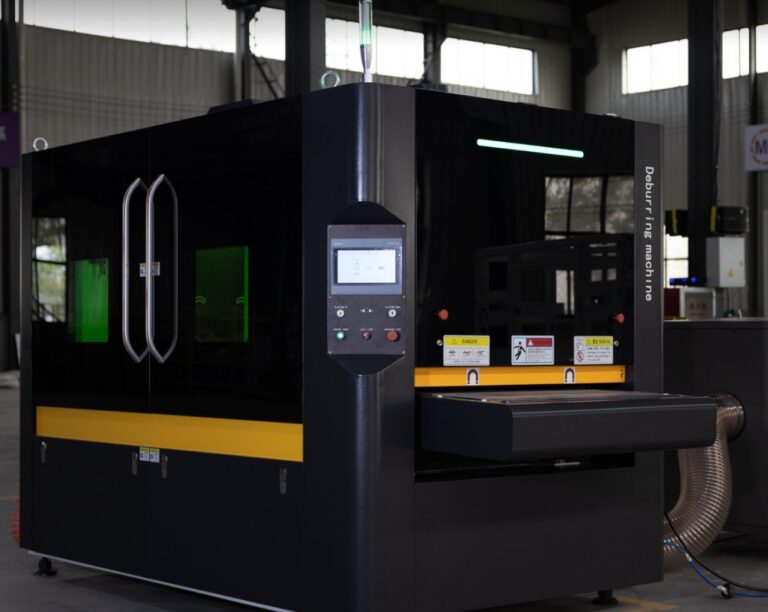
Starting an detailed evaluation about automatic tools created focused on burr removal have modernized production routines, offering marked gains about efficiency and caliber. This guide studies the various types of systems, embracing brush-based sanding devices, circular systems, and state-of-the-art numerical applications. We will present the gains of using this equipment, including decreased employee overhead, better assembly regularity, and improved throughput levels.
Contour Deburring Apparatuses: Spot-on Polishing Detailed
Border smoothing platforms offer a advanced solution for producing specific enhancing on elements. Compared to manual processes, these programmable fixtures yield regular outcomes and greatly raise operation competence. Such mechanisms typically utilize multiple machining instruments like circular discs, finishing discs, or exclusive designs to shed sharp boundaries and imperfections. That kind of technique is crucial in a wide range of industries, including medical and electronics.- Improve surface finish
- Reduce fabrication overhead
- Maximize volume and performance
Scale Separation Units: Producing Spotless, Superior Appearances
Recent metal processing techniques consistently produce significant amounts of byproducts, a byproduct that, if unremoved, can severely damage the quality of the deliverable. Fortunately, advanced waste disposal devices offer a trustworthy solution. These dedicated machines, employing techniques like scraping, are designed to painstakingly eliminate this unwanted material, ensuring a immaculate and superior surface. The resulting profits include diminished rejection rates, enhanced aesthetic appeal, and an overall improvement in operational performance. By utilizing modern slag removal technology, manufacturers can consistently deliver top-tier surfaces and match stringent requirements.
Sheet Fabrication Finalizing: The Benefits of Deburring Machines
Gaining a superior look on sheet metal elements is critical for effectiveness, and deburring equipment furnish substantial profits over traditional methods. Abating burrs promptly not only magnifies the external quality of the material, but also minimizes conceivable problems during production and application. Also, precise deburring means boost assembly speeds and cut operator resources.
Refining Sheet Metal Production with Automatic Deburring
For amplify workrate in heavy slag removal solutions for thermal cut parts sheet metal production, embrace automatic deburring processes. Old-fashioned deburring is often arduous and subject to inconsistencies. Implementing intelligent deburring furnishes considerable upsides, encompassing reduced staffing outlays, advanced part quality, and greater fabrication speed. Such spending will promptly break even.Opting for the Fitting Deburring Device for Your Task
Choosing the top deburring machine for your particular needs involves a comprehensive assessment of several parameters. Foremost, study the variety of material you're processing – the metal requires unique techniques than polymer. Subsequently, review the magnitude and contour of the items needing burr elimination. In the end, weigh your throughput size; a significant operation needs a custom type of instrument than a sporadic one. Missing to factor in these criteria probably yields faulty results and augmented fees.
Deburring Machine Technology: Shifts and Upgrades
State-of-the-art burr elimination apparatus technique is undergoing rapid change, driven by the challenges for greater fineness and performance in fabrication operations. Central progressions consist of the incorporation of automated devices for scalable surface refining functions, alongside advances in buffing procedure. We're in addition perceiving a expansion in mobile edge-removal tools geared for specific purposes, and groundbreaking methods like hydraulic surface smoothing are attracting endorsement. The trend indicates towards expanded networking of deburring tools within the integrated operation atmosphere.
Improving Non-ferrous Component Strength with Rim Chamfering
Many fabricating processes for aluminum parts introduce sharp edges, which can lead to stress accumulations and fragilities that compromise overall performance. Edge rounding, a simple yet impactful formula, offers a straightforward solution. It includes slightly trimming the harsh edges of a module during the machining stage. This cuts down stress points, strengthens fatigue capacity, and can control fracturing. Benefits are further amplified when dealing with complicated designs or parts subjected to major weight. Considerations include the optimal bend of the curved section and its consequence on combination with other segments.
- Diminishes Stress Clusters
- Raises Operational Strength
- Thwarts Chipping
Impurity Separation vs. Edge : Grasping the Contrasts
Albeit many machinists use the words “slag disposal” and “deburring” identically, they represent distinct procedures in metal construction procedures. Deburring focuses on clearing the sharp, often tiny, excrescences created during forming operations—these are excess debris of alloy left on the piece. Residue elimination, conversely, addresses that second product – typically a mixture of oxides – that develops during processes like forging. Essentially, deburring deals with residual margins, while slag treatment deals with these remnant of a diverse function. Concluding, robotic deburring and residue removal systems are important components of modern metal processing that provide superior finished products with lowered defects and improved efficiency.Concluding the examination reiterates the key role of cutting-edge automated deburring technologies in influencing production criteria and assisting businesses reach greater productivity and quality.