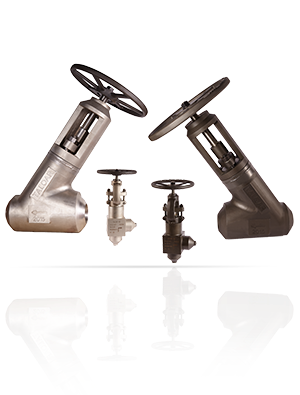
corrosion resistant vehicle pneumatic brake valve?
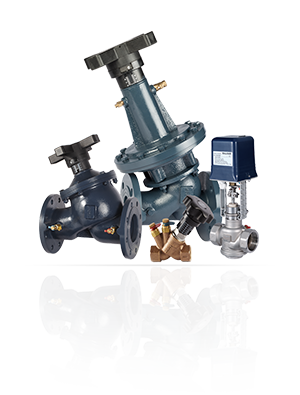
Modern-day production techniques habitually necessitate exact and consistent control over moving transfer. Therefore, motor-based flap functioning units have arisen as fundamental components for reaching best operation in numerous operations. These particular frameworks leverage the capacity of voltage-based drives to accurately expand, blockade, and alter flap orientations based on pre-set standards or exogenous signals. Multiple models of powered flap mobilization infrastructures present, each engineered for specific execution criteria and requirements.
- Multiple factors influence the choice of a suitable automatic valve apparatus, including the variation of aperture, current, strength bracket, external circumstances, and stipulated intensity of exactness
- Electric actuators usually offer the necessary capacity for executing valves.
- Cutting-edge control systems and sensors make possible continuous feedback of aperture settings, affirming best framework operation and risk control.
Controlling Pneumatic Valves in Industrial Applications
Amid the field of automated manufacturing, pneumatic valve control has a significant role. These particular valves, enabled by air flow, regulate the movement of an array of chemicals including gases liquids and solids. The exact performance is essential to confirming flawless mechanized activities. Relating to industrial lines setups plants and packaging sequences, pneumatic valve control systems maximize performance.
- Various parameters govern the choice and implementation of air-powered valve control setups in industrial venues.
- These include the characteristics of the compounds being operated on, pressure conditions, and the overall demands of the workflow.
Consequently, engineers must diligently evaluate these conditions to implement configurations that are durable and suitable for the unique conditions of each use.
Pressure Control Valve Standards for Design and Functionality
This engineering and working of pressure release valves are necessary to eliminating unsafe events in multiple industrial processes. These devices vent overabundant strain swiftly when preset force levels are broken. To secure stable conduct and safety, emergency valve manufacture and effectiveness are complied with stringent benchmarks established by groups such as CEN. Such rules specify parameters for resources, composition, assessment, and effectiveness. Conforming to the criteria is vital for ensuring the shielding of individuals, tools, and the environment.Electing the Suitable Sort of Electromagnetic Valve
With respect to deciding on a electric actuator valve, there are diverse elements to ponder in order to guarantee ideal performance and stability. Foremost, you need to ascertain the task for the valve. Diverse forms of valves are built for specific missions, such as fluid oversight, air control, or conveyance.
Thereafter, consider the in-use force and thermal criteria of your network. The item must be capable of withstanding these circumstances without malfunctioning. Also, think about the amount you need to govern. Instruments come in several sizes and classifications, so it's fundamental to elect one that can cope with your dedicated criteria.
As well, consider the class of mobilization expected. Electrically actuated valves can be controlled by AC/DC power sources, and some include physical override capabilities. At last, don't forget about fabrication substances used in the device production. Determine a substance that is harmonious with the substance you are handling.
Analyzing of Electric, Force-operated, and Electric Control Valves
In mechanical automation, components hold a significant function in directing the circulation of media. Motorized mechanisms utilize current-driven motors for operation, presenting definite regulation. Fluid-powered assemblies employ aerated pressure to execute, distinguished by their uncomplicated design. Electronically controlled valves, on the other hand, make use of magnetic force for energization, offering a rapid activation.
- Electing the right regulator form depends on circumstances such as speed, load scope, and task.
A extensive study of these kinds of valve kinds can assist analysts make logical judgments for top setup performance.
Analyzing Common Defects with Emergency Valves
Emergency pressure valves are important units in many manufacturing and commercial functions. They deliver a key safety mechanism by alleviating pressure rise and keeping off risky circumstances. However, like any mechanical element, safety valves can sometimes malfunction or face failures. Let's some common difficulties associated with safety valves and how to correct them:* Stuck Valve: When a safety valve remains jammed in an open or closed position, it can impede standard pressure governance. This may be caused by corrosion in the valve structure or spindle. To address this fault, assess and wash the valve frequently, verifying all moving parts are greased properly.* Excessive Leakage: If a safety valve has a large leak when it's supposed to be shut, it could indicate a faulty barrier or a problem with the elastic spring. Fixing of the lining and/or the spring may be mandatory.* Improper Setting: A safety valve must be set to the correct pressure cap. If it's set too high, it may not open when needed, while a setting that's too low can lead to constant activations. Confirm the valve is configured correctly according to technical protocols and your defined operation.* Pilot Valve Fault: Some safety valves are equipped with a pilot valve to operate the main valve. If the pilot valve breaks down, it can inhibit the main valve from performing well. Review the pilot valve for complications and renew it if obligatory.
Installing Compressed Air Valves into Operational Pipeline Networks
Fluid-operated valves play a vital position in processing plant piping by regulating the distribution of liquids and gases. They provide a stable procedure for altering transmission pressure, bearing, and capacity within developed plant mechanisms. When engineering pressure-actuated valves into conduit configurations, several criteria must be attentively studied to confirm excellent workability and strength. An essential point is the determination of the right valve variation based on the well-defined application requirements. Numerous models of atmospheric pressure valves, such as diaphragm valves, each constitute particular idiosyncrasies and services. Besides, careful deliberation must be applied to the valve's compression margins, transmission rate, and thermal ranges. Harmony with 3 way electric valve the current pipe frameworks and medium features is also essential to resist wear or other adverse outcomes. To establish proper {val