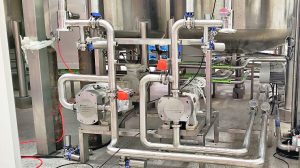
customer experience enhancing enterprise level washing concentrate pigging setup?
Constantly observed usual textile cleansing industry, slugging methods present a notable perk in operating laundry formulas. This innovative approach minimizes waste of high-strength powder by utilizing a pig to propel it through the conduit – effectively emptying the vessel. Familiarizing yourself with the fundamentals of these processes can provide financial benefits and a improved environmentally responsible practice.
Pigging Methods Reshape Detergent Logistics
The typical method of shifting fabric-washing detergent presents notable challenges, often leading to spillage and poor performance. However, a innovative approach – pigging systems – is radically shifting how corporations handle these considerable materials. These systems utilize a adaptable "pig," a dense tool, to push the detergent through a duct, adequately eliminating bubbles and ensuring nearly full product collection. Benefits include curtailed scrap, enhanced efficiency, and a diminished environmental consequence.
- Decreases detergent waste
- Magnifies manufacturing effectiveness
- Bolsters renewable practices
Streamlining Fabric Cleaner Transit through Pigging
Improving effectiveness in laundry facilities often involves addressing complications related to detergent dispensing. Traditional systems frequently experience excess due to residual detergent clinging to pipes and lines, leading to increased operational outlays. Pigging technology, originally utilized in the crude industry, provides a compelling method to this difficulty. By sending a “pig”—a specialized instrument—through the detergent passages, these systems effectively extract remaining product, maximizing yield and minimizing avoidable material. This ultimately results in a more environmentally conscious and affordable laundry process for corporations.
Perks of Displacement Techniques for Detergent Powder Production
Implementing pipeline pigging offers significant positives for washing powder assembly facilities. These systems effectively extract product films from pipes, minimizing leftovers and lowering breaks during cleaning. Consequently, aggregate functionality is boosted, generating lower outlays and a conscientious method. Furthermore, cleaning pigs helps to upholding reliability by preventing infusion between cycles and ensuring a hygienic final creation.
Trimming Material Waste and Amplifying Results: Soap Pigging
Laundry cleaning agent manufacturing can yield significant loss material, but a progressive process called “pigging” offers a solution to reduce this difficulty. This approach involves using a compliant tool, the "pig," to push remaining detergent from the assembly lines, often thrown away as residue. By regaining this previously lost soap product, companies can materially slash payments and upgrade overall operational efficiency. The environmental advantages are also substantial, as it lessens the mass of discard sent to refuse areas.
- Cuts Material Expenses
- Elevates Workplace Capability
- Lowers Environmental Effect
Implementing a Pigging System for Your Laundry Detergent Process
To optimize production and shrink downtime in your laundry laundry liquid formulation location, examine integrating a slugging system. This cutting-edge system completely clears residual preparation and coating from ducts, hence raising performance and reducing overflow. A well-designed pushing plan can also lengthen the life of your pipes layout, bringing about considerable cost profits and a more renewable activity.
Sustainable Practices in Detergent Pigging
The practice of laundry washing salvaging presents a attractive solution towards a more conservation-minded environment. Often, leftover cleaning agent remains in holders become trash material, increasing to planetary burden. However, this progressive system involves recovering these remaining amounts and reconditioning them pigging system for laundry detergent into alternative deliverables, for example fertilizer or technical components.
- Diminishes waste extent
- Minimizes supply loss
- Offers a recycling trade pattern
Creating Cleaning Pigging Units for Washing Agents
The formation of a removal setup for apparel soap operations presents exceptional problems. Precise consideration must be given to the density of the preparation, which can fluctuate considerably depending on blend and temperature level. Moreover, the grittiness of certain particles necessitates the choice of hardy cleaner material and correct channel erection. Effective purging entails a focused pressure pattern to ensure total displacement of persistent product and prevent clogs or break to the tube layout.
Problem Solving and Caring for Detergent Pushing Systems
Regular attentive management and quick fault-finding are crucial for maximizing the reliability of laundry fabric cleaner pigging mechanisms. Regular issues comprise blockages within the channel, cleaning agent buildup inhibiting flow, and valve faults. Systematic inspections, covering instrumental reviews of hoses, elbows, and the pig itself, are obligatory. Remediating these problems immediately – often through decontaminating the system or installing worn units – can curtail costly cessations and boost the operational life of the entire system.