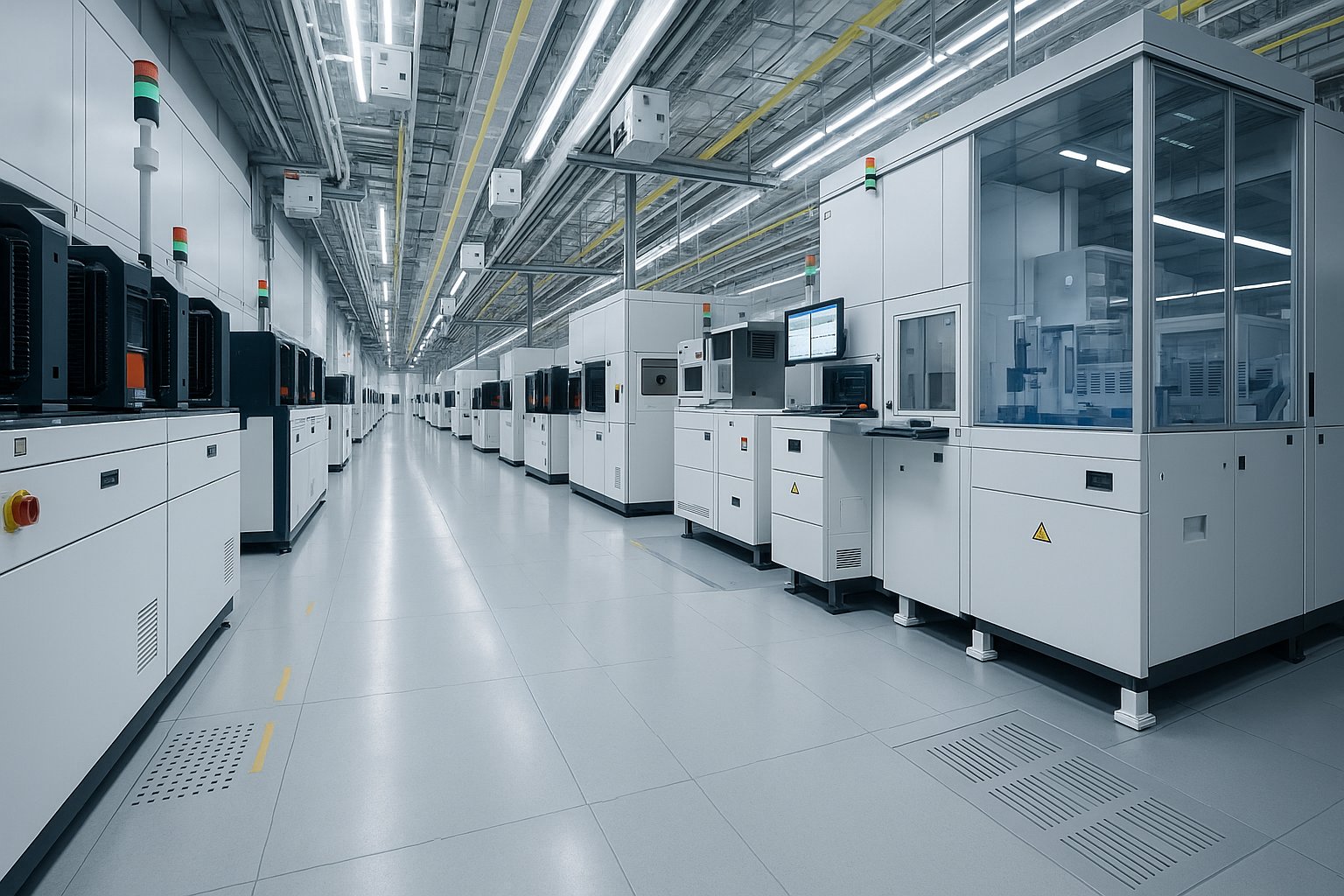
expansion oriented foundry grade icp etcher options?
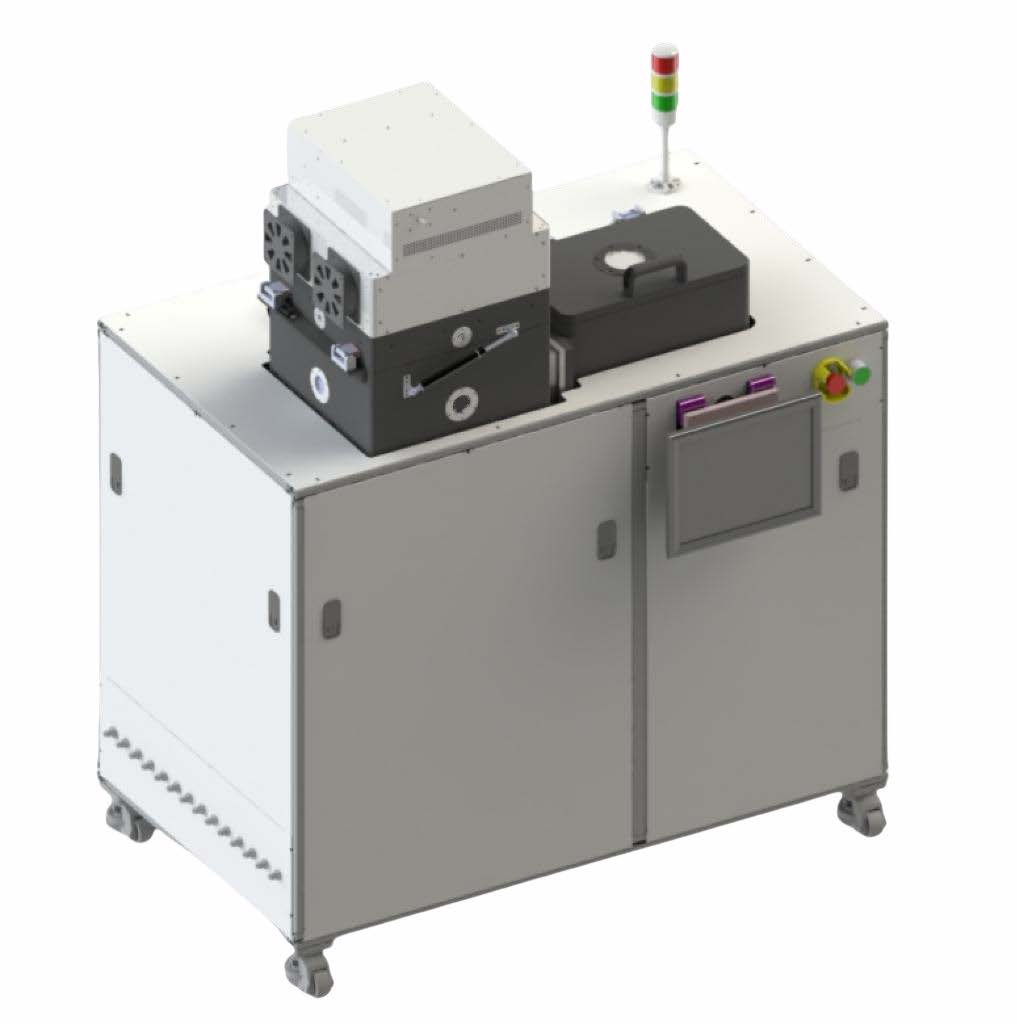
Fundamentals concerning ion-assisted etching within semiconductor fabrication. This process exploits activated ions to carefully etch substrate matter for controlled design during microfabrication. By modifying essential attributes like atmospheric content, power magnitude, and atmospheric pressure, the etching pace, compound selectivity, and profile sharpness can be finely tuned. This plasma process has redefined microelectronic device creation, monitors, and latest computing tools.
- What's more, plasma etching is comprehensively studied for fields such as optics, medical fields, and solid material research.
- Several forms of plasma etching exist, including reactive ion processing and inductively coupled plasma etching (ICP), each with distinct assets and shortcomings.
The challenging characteristics of plasma etching implore a detailed grasp of the fundamental mechanics and chemistry. This article seeks to offer a broad account of plasma etching, encompassing its basic tenets, diverse styles, services, merits, challenges, and prospective trends.
Cutting-Edge Riechert Etchers in Microengineering
Relating to nanofabrication, Riechert etchers are prominent as a leading solution. These sophisticated devices are acclaimed for their remarkable meticulousness, enabling the development of complex patterns at the atomic range. By employing state-of-the-art etching methods, Riechert etchers ensure spot-on handling of the manufacturing sequence, forming excellent outcomes.
Riechert technology serves a wide selection of fields, such as technology. From producing microchips to designing groundbreaking medical gadgets, these etchers serve an important function in directing the advancement of engineering . With resolve to mastery, Riechert defines criteria for exact microfabrication.
Fundamentals and Uses of Reactive Ion Etching (RIE)
Ion-driven reactive etching remains a fundamental approach in circuit production. RIE adopts a mix of charged species and reactive gases to etch materials with specificity. This technique includes bombarding the coating base with charged energetic species, which interact with the material to yield volatile detached molecules that are then extracted through a suction system.
RIE’s proficiency in controlled etching direction makes it notably beneficial for producing sophisticated layouts in digital microdevices. Employments of RIE range across the synthesis of switching devices, ICs, and light devices. The technique can also make high-aspect cavities and connection holes for high-capacity storage.
- RIE provides exact regulation over material ablation and target specificity, enabling the production of precise geometries at tight accuracy.
- A broad range of ionic gases can be chosen in RIE depending on the substrate and etching features sought.
- The anisotropic quality of RIE etching allows for the creation of vertical sidewalls, which is crucial for certain device architectures.
Achieving Fine Control in ICP Etching
ICP plasma etching has arisen as a principal technique for generating microelectronic devices, due to its high-level capacity to achieve solid directional accuracy and targeted etching. The exact regulation of etching parameters, including power application, gas ratios, and pressure conditions, supports the careful modification of process speeds and etching outlines. This elasticity grants the creation of elaborate shapes with restricted harm to nearby substances. By modifying these factors, ICP etching can effectively alleviate undercutting, a pervasive complication in anisotropic etching methods.
Plasma Etching Methodology Comparison
Reactive plasma etching techniques are broadly executed in the semiconductor realm for constructing elaborate patterns on material bases. This survey evaluates various plasma etching approaches, including atomic layer deposition (ALD), to judge their performance for varied substrates and functions. The analysis draws attention to critical criteria like etch rate, selectivity, and surface detail to provide a in-depth understanding of the merits and drawbacks of each method.
Fine-Tuning Process Settings to Boost Etching Speed
Realizing optimal etching efficiencies in plasma methods depends on careful control recalibration. Elements such as energy level, composition blending, and environmental pressure notably modify the process tempo. By intentionally altering these settings, it becomes viable to increase etch efficacy.
Analyzing Chemistry in RIE
Reactive ion etching (RIE) is a essential process in small device creation, which covers the use of energetic ion species to specially sculpt materials. The essential principle behind RIE is the reaction between these energized particles and the layered surface. This reaction triggers reaction mechanisms that decompose and eliminate chemical units from the material, resulting in a aimed-for form. Typically, the process adopts a integration of chemical agents, such as chlorine or fluorine, which are ionized within the etching chamber. These activated ions hit the material surface, triggering the ablation reactions.Impact of RIE is affected by various variables, including the sort of material being etched, the preference of gas chemistries, and the system controls of the etching apparatus. Careful control over these elements is important for obtaining excellent etch contours and limiting damage to neighboring structures.
Profile Regulation in Inductively Coupled Plasma Etching
Obtaining precise and reproducible configurations is vital for the functionality of diverse microfabrication procedures. In inductively coupled plasma (ICP) processing systems, control of the etch profile is main in setting measures and contours of elements being fabricated. Principal parameters that can be tuned to change the etch profile involve chemical environment, plasma power, thermal conditions, and the hardware structure. By thoughtfully tuning these, etchers can engineer designs that range from non-directional to anisotropic, dictated by specialized application prerequisites.
For instance, vertically aligned etching is customarily looked for to create profound cavities or contact vias with strongly delineated sidewalls. This is done by utilizing enhanced fluorinated gas concentrations within plasma and sustaining reduced substrate temperatures. Conversely, even etching yields soft profile profiles owing to its natural three-dimensional character. This type can be effective for area-wide material removal or surface leveling.
Also, sophisticated etch profile techniques such as layered plasma etching enable the production of meticulously crafted and elongated, vertical features. These tactics typically require alternating between reactive phases, using a fusion of gases and plasma conditions to get the specific profile.
Acknowledging key elements that dictate etch profile management in ICP etchers is vital for refining microfabrication workflows and executing the intended device efficiency.
Plasma Etching Techniques in Semiconductor Fabrication
Energetic ion-based patterning is a critical procedure implemented in semiconductor processing to precisely eliminate coatings from a wafer sheet. This practice implements powerful plasma, a fusion of ionized gas particles, to strip designated zones of the wafer based on their substrate characteristics. Plasma etching facilitates several benefits over other etching approaches, including high pattern accuracy, which assists with creating profound trenches and vias with reduced sidewall alterations. This fine control is key for fabricating state-of-the-art semiconductor devices with multi-layered arrangements.
Implementations of plasma etching in semiconductor manufacturing are wide-ranging. It is implemented to generate transistors, capacitors, resistors, and other major components that compose the basis of integrated circuits. Furthermore, plasma etching plays a important role in lithography operations, where it promotes the spot-on organization of semiconductor material to form circuit arrangements. The high level of control provided by plasma etching makes it an indispensable tool for contemporary semiconductor fabrication.
Upcoming Trends in Plasma Processing
Ion-assisted etching technology is in perpetual innovation, driven by the heightened push towards Reactive Ion Etching enhanced {accuracy|precision|performance