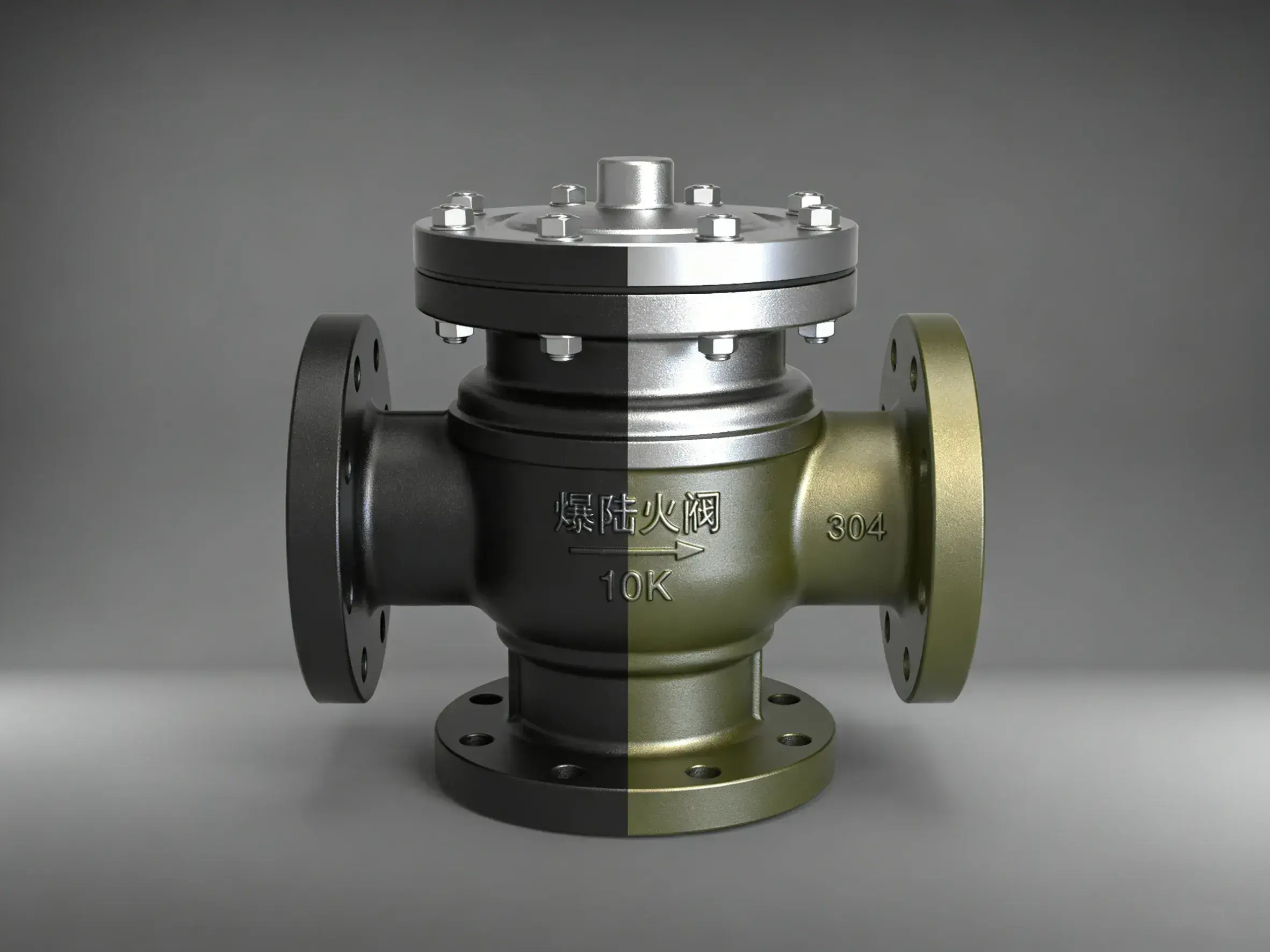
export packaging ready advanced flow control valves portfolio?
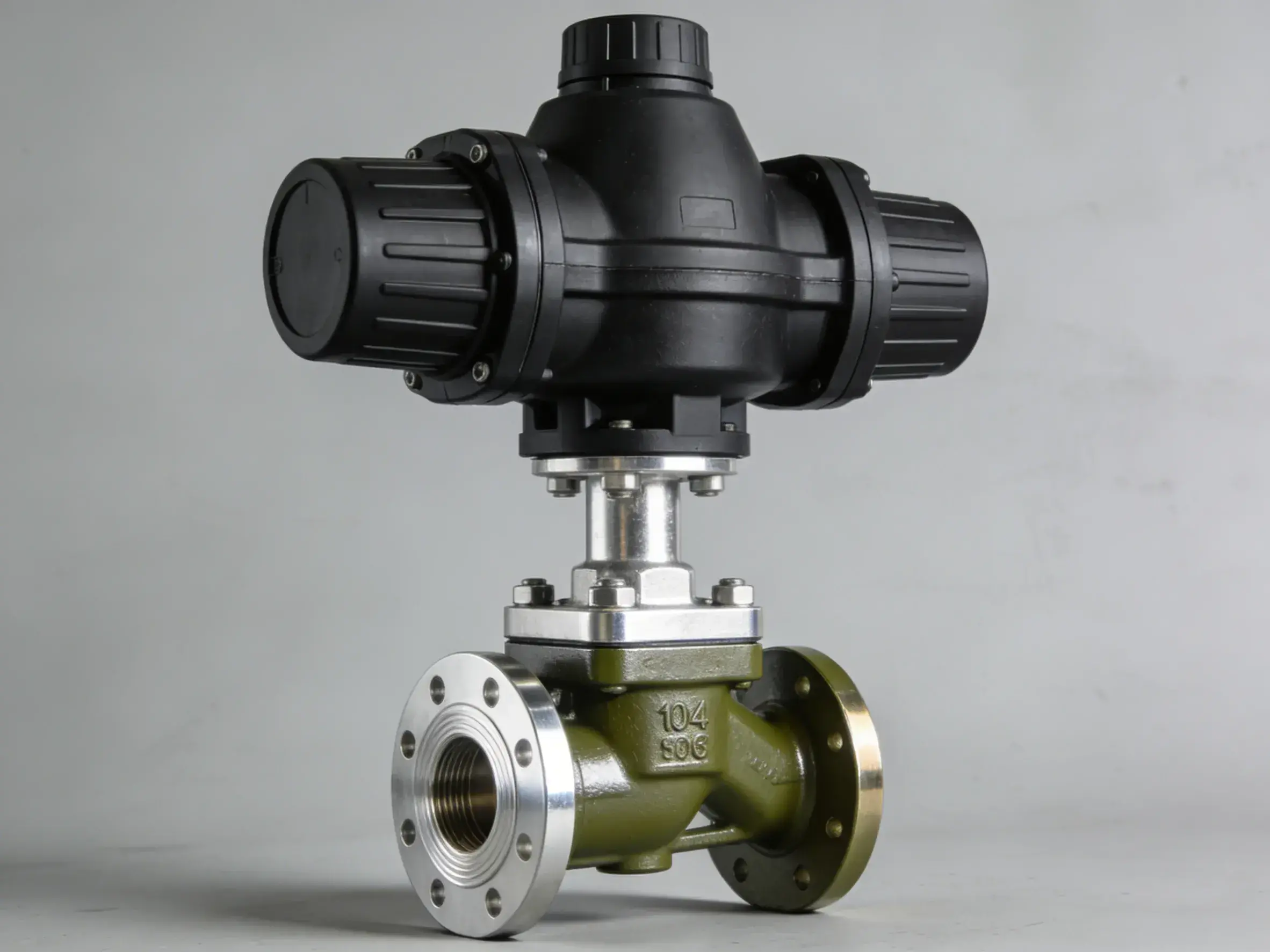
Important industry valve selection enhances operational efficiency and entire system effectiveness. To achieve best functioning, it is necessary to diligently select valves that adhere to your process requirements.
An inclusive valve selection resource has to analyze a scope of elements like fluid characteristics, pressure ranges, thermal conditions, discharge velocity, and regulatory necessities. Moreover, establishing the needed valve operation model such as pneumatic, hydraulic, or electric is crucial.
Comprehensive Review of Butterfly Valve Function
Determining the optimal performance metrics for butterfly valves is crucial for engineers seeking to achieve efficient and reliable system functionality. The review outlines important criteria influencing butterfly valve effectiveness, integrating makeup features, condition factors, and validation practices. Through a thorough examination of these aspects, this article aims to provide a comprehensive understanding of the factors that contribute butterfly valve performance.
- Design characteristics prominently impact entire productivity
- The material of the valve body significantly impacts its durability in various operating conditions
- Fluid pressure loss stands as significant parameter for estimating butterfly valve productivity, mainly at boosted throughput levels
Ball Valve Applications in High-Pressure Systems
Ball valves emerge as trustworthy candidates for overseeing substantial pressure functions. Their elementary system includes a round globe with an orifice that rotates to operate fluid transfer. This design efficiently manages elevated pressure circumstances due to its robust closure.
Across domains like fuel extraction, ball valves undertake a crucial position in overseeing substantial pressure conduits. Their solidity marks them competent to face the load of substantial pressure fluids.
- On top, ball valves employ prompt switching, ensuring effective flow modulation.
- Offered in diverse compositions and dimensions, ball valves are tailored to satisfy unique demands of varying elevated pressure uses.
Identifying Various Valve Varieties and Their Capacities
Throughout fluid mechanics, valves undertake a key role administering fluid and gas streams. Determining fitting valve style is crucial for enhancing system productivity. Valves may be classified regarding their functional concept, configuration, and usage. Popular valve classes incorporate gate, globe, check, ball, and butterfly samples. Each group demonstrates characteristic factors, enabling them for tailored deployments. Specifically, gate valves govern flux entirely, but globe valves grant meticulous control of velocity. Check valves avert back stream, enabling exclusive passage. Ball valves ensure prompt and steady open/close action, while butterfly valves function efficiently in high flow volumes.
Advancing Fluid Steering by Industrial Valves
Supervising discharge flows is crucial across countless industrial activities. Valve structures govern essential activities controlling liquid and gaseous movements through systems. Adopting proper valve kinds integrated with efficient control frameworks permits businesses to advance manufacturing productivity, safety measures, and product integrity.
A central part of maximizing flow regulation requires knowledge of assorted valve employments. Diverse valve blueprints adjust to tailored flow peculiarities, pressure magnitudes, and application contexts. In particular, globe valves are often engaged for throttling flux, and ball valves shine in toggling operation.
To maintain exact flow governance, one must evaluate criteria including valve scale, operating mechanisms, and regulation setups. Employing innovative management tools like PLCs facilitates automatic fluid observation and calibration, improving production effectiveness.
Ongoing upkeep of facility valves is fundamental for averting faults and sustaining optimal fluid management. Pinpointing possible troubles early helps curtail expensive breakdowns and assure fluid operation of crucial methods.
Support Measures for Operational Valve Assemblies
Routine upkeep of factory valve systems is essential for securing stable and trustworthy functioning across industries. An effective workflow requires routine assessments, conducting consistent audits to pinpoint risks before substantial impairments occur. Maintenance of valve fittings through lubrication following manufacturer directives extensively improves endurance and lowers abrasion. On top, maintaining valves cleared of debris facilitates effective productivity.
An all-encompassing upkeep plan must incorporate logging of every procedure related to valves, covering timelines, staff participants, and component substitutions. Careful documentation assists in monitoring valve condition longitudinally and supports strategic planning for upcoming servicing.
Automation Advantages in Valve Regulation
Automation technology has changed valve management in many domains. Integrating automated frameworks empowers optimized valve handling, restricting manual efforts and amplifying production efficiency. Automatic valve control provides numerous advantages such as improved precision, lowered stoppages, and enhanced security
- Monitoring equipment assumes indispensable parts in electronic valve systems, sharing real-time updates on valve state. Such feedback is analyzed by management units to dynamically modify valve parameters
- Process control architectures generally administer automatic valve actions, providing sophisticated steering techniques. They are capable of tracking valve status, detecting possible problems, and initiating remedial measures
What's more, program-controlled valve operations promote improved flow tracking. By collecting data on valve performance, operators can gain valuable insights to optimize process efficiency and reduce operational costs
Safety Measures During Industrial Valve Installation
During valve implementation in plants, comprehensive safety measures remain essential. Disregarding safety norms invites risky events, likely resulting in facility destruction and importantly human injuries. A comprehensive hazard survey should be performed prior to installation identifying probable risks and deploying suitable protective protocols.
Ensure that every participant in installation efforts is skillfully trained and certified for industrial valve management and compliance with safety policies. Institute a systematic calendar of maintenance checks intended to spot malfunctions or wear on valves. Retain complete paperwork covering all installation, evaluation, and servicing efforts to support long-term management
- Adhere to applicable trade guidelines and laws controlling valve setup and management
- Harness correct accessories and equipment aimed at factory valve installation
- Collaborate openly with every actor involved in undertaking to secure risk-free and seamless fitting
Valves: Necessary Elements for Processing Industries
Throughout the elaborate domain of industrial/fabrication/processing fields, valves act as essential parts. Their duty includes governing fluid flow in advanced architectures, upholding consistent productivity and safety. Valves find employment across broad usages, including regulating heat and pressure plus moving materials
- Assorted valve forms exist, each configured to deliver dedicated functions. Usual examples include gate, ball, and globe models
- Opting for valves accounts for factors like throughput rate, pressure magnitude, heat level, and substance category
- Reliable valve performance is paramount in process settings to prevent disruptions and ensure product quality
Frequent evaluation of valves is crucial for enhancing durability and avoiding prospective malfunctions
Advanced Materials in Valve Design and Manufacturing
The evolution of valve design and manufacturing is significantly influenced by the continuous exploration of advanced materials. These innovative materials provide diverse enhanced traits over conventional options, allowing designers to devise valves that perform better. Prominent illustrations are resilient ceramic materials favored for hardness in stringent milieus, coupled with light alloys that optimize functioning while curbing bulk. The implementation of those innovative components produces valves possessing advanced sealing traits, lengthened service time, and raised corrosion protection
Valve Actuation Technologies: An Analytical Comparison
{This investigation delves into the diverse valve actuation mechanisms prevalent in modern engineering applications|This exploration examines the varied valve drive technologies common in contemporary engineering uses|The study analyzes the mixed valve triggering systems typical in current engineering projects|This research evaluates the assorted valve motion methods widespread in advanced engineering scenarios|The survey inspects the multiple valve control techniques existing in up-to-date engineering solutions|This review considers the assorted valve operating mechanisms encountered in present-day engineering environments|This analysis explores the various valve activation systems Bag Filter Manufacturer found in progressive engineering implementations|The inquiry scrutinizes the heterogeneous valve act