high-accuracy prototyping custom robotic manufacturing solutions?
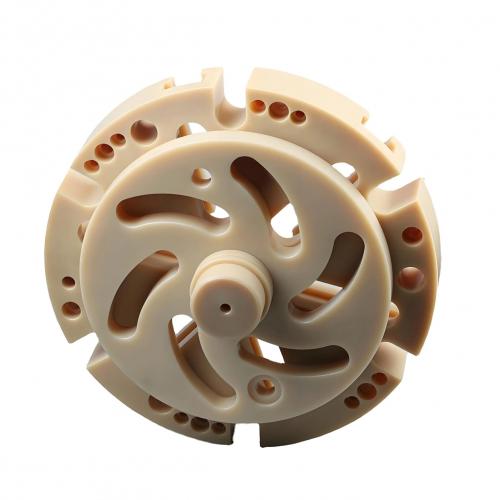
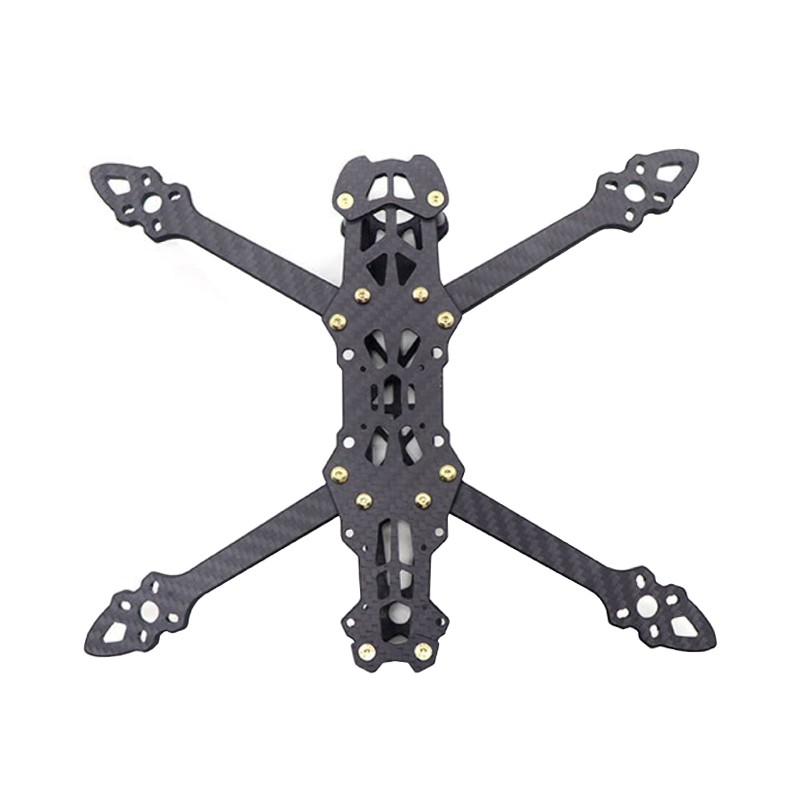
Across the competitive landscape of robotic aircraft fabrication where load and functionality dominate, meticulous automated cutting is identified as necessary. Automated milling devices expertly craft detailed fragments manipulating assorted materials like lightweight alloys, heavy metals, and polymer composites. Those assemblies, including minimalist skeletons and spinning mechanisms to precise microcontroller housings, call for remarkable correctness and dependability.
Advantages of accurate numerical control machining abound in UAV crafting. It allows for the creation of lightweight parts that minimize overall drone weight, enhancing flight performance. Moreover, accurate spatial control confirms consistent merging of units, supporting refined aerodynamic features and steadiness. With its ability to handle intricate designs and tolerances, CNC machining empowers engineers to push the boundaries of drone innovation, enabling the development of cutting-edge unmanned aerial vehicles.
Fast Model Fabrication via CNC in Robotics Fields
Within the shifting landscape of intelligent machinery, where inventiveness thrives and exactitude rules, accelerated prototype execution is fundamental. CNC fabrication systems, adept at forming elaborate segments from wide-ranging materials, allow robot engineers to promptly transform imagined schemes into physical representations. The natural versatility of CNC authorizes builders to swiftly alter and optimize blueprints methodically, including necessary remarks amidst the generation progress.
- Consisting of soft amalgams crafted for fleet-footed mechatronics to tough stainless steels suited for industrial loads, CNC employs extensive material types
- High-tech CAD environments integrate flawlessly with algorithm-driven production means, letting makers produce advanced exact copies
- This iterative design approach significantly reduces development time and costs, enabling roboticists to bring innovative automated solutions to market faster
Optimized Assembly of Robotics Pieces through CNC
The production sector experiences a notable evolution fueled by implementation of innovative systems. Among the listed, computer-controlled numeric machining leads as a key player forming high-exactness device components with outstanding velocity and correctness. Computer-assisted machining apparatus employs design inputs to create detailed slicing outlines on varied elements, covering metals and polymers alike. Such mechanized method abolishes reliance on hand operations, improving manufacturing productivity and uniformity.
Employing computer-guided cutting, creators assemble intricate device elements with specialized contours and precise margins. The accuracy embodied in CNC methods facilitates crafting portions meeting specific needs of current machine-based applications. Such competency covers an extensive scope of robotic components, spanning actuators, detectors, casings, and interface boards.
- Additionally, computer-driven cutting provides substantial gains regarding affordability
- Via robotization of construction phases, fabricators lower employee charges, raw material spoilage, and turnaround delays
- The malleability of automated tooling also advances prompt sample fabrication and customization, enabling producers to meet changing client requirements quickly
Optimized CNC Crafting of Robotic Assemblies
Exact machining stands central within the domain of elite UAV production. CNC machining, with its remarkable ability to fabricate intricate parts from a variety of materials, plays a pivotal role. Cybernetic manufacturing talent facilitates manufacturers in reliably constructing aerial vehicle pieces fulfilling tough standards of modern robotic application. Incorporating light but firm airframe pieces to detailed sensing shells and potent movement mechanisms, algorithmic fabrication promotes unmanned flight producers in breaking new engineering grounds.
- Digital cutting’s adjustability facilitates producing multiple robotic aircraft units
- Adopting advanced cybernetic tooling technologies, constructors shape complex forms proficiently
- Computerized milling provides superb uniformity, producing trustworthy unmanned craft components
Flexible Mechanical Arm Parts: CNC Systems
Software-oriented machining gives configurable procedures for designing specialized automated limb segments. Exploiting computer-guided machines, engineers manufacture exclusive sections serving specific operational parameters. This level of customization enables the development of robotic arms with optimized performance, precision, and control. Furthermore, automated cutting guarantees premium, robust parts capable of enduring demanding working environments.The power of computer-operated tools to craft sophisticated shapes and minute characteristics designates them suitable for developing robotic limb elements including:
- Mechanisms
- Connectors
- Grabbers
Computerized Tooling : Precision Engineering for UAVs
{Unmanned Aerial Vehicles (UAVs), commonly known as drones, are increasingly utilized in a wide range of applications, from aerial photography to package delivery|Robotic aerial units, often referred to as drones, find expanding roles across diverse uses including sky imaging and parcel transportation|Autonomous flying machines, typically called UAVs, serve broad functions such as airborne filming and cargo conveyance|Self-directed aerial devices, also known as drones, see growing deployment in varied activities encompassing drone videography and shipment tasks|Remote-controlled flying vehicles, widely known as UAVs, participate in multifaceted purposes ranging from scenic capturing to load delivery|Pilotless air platforms, colloquially regarded as drones, apply to multiple fields from air recording to freight distribution|Unmanned flying platforms, frequently named UAVs, operate across numerous sectors involving aerial scanning and package logistics|Intelligent flight gadgets, commonly recognized as drones, fulfill expanding demands covering airborne cinematography and transport
The capabilities of such aerial devices rest largely on correctness and reliability of their components. For this reason, cybernetic machining takes an essential place. Automated tooling supplies unsurpassed guidance of matter fashioning, backing construction of sophisticated elements with close clearances. Such exact items play crucial roles across multiple drone subsystems, including structural skeletons, rotary blades, and electronic enclosures
Gains from numeric controlled production surpass simple accuracy. It ensures remarkable stability, backing wide-scale assembly of analogous elements with minimal disparity. This is crucial for UAV manufacturers who require large quantities of components to meet growing market demands. What’s more, cybernetic tooling processes assorted resources comprising metallic substrates, plastics, and fiber composites, extending design professionals choice in identifying correct materials for assorted uses.
As UAV technology continues to evolve, the demand for increasingly sophisticated and lightweight components will only increase. Automated tooling stays instrumental to supporting precise production among flying robot makers, inspiring invention and enlarging autonomous aircraft potential
Transitioning Blueprints to Models: CNC in Automated Systems
In the dynamic field of robotics, the transition from design concepts to tangible prototypes is crucial. CNC machining emerges as a vital process in this transformation, empowering engineers with the ability to fabricate intricate robotic components with high precision. Applying digital drafting files for guidance, programmed cutters sculpt elaborate profiles utilizing numerous substances including lightweight metals, ferrous alloys and polymers. The adjustable feature allows computerized tooling to construct diverse automation models, covering stationary robotics to mobile units.
- The sharpness and stability of software-managed cutting promote development of reliable robotic pieces matching exacting functional specs
- Cybernetic machining helps developing numerous sections like cog drives, actuators, skeletons, and sensors
- Samples produced by computerized milling grant critical feedback in assessing and improving machine layouts
In addition, the looping process of cybernetic tooling fosters swift example fabrication, helping developers rapidly update and fine-tune concepts according to tests
Promoting Intelligent Robotics through Progressive CNC Strategies
The convergence of robotics and advanced Computer Numerical Control (CNC) techniques is propelling a revolution in manufacturing, automation, and research. Programmed tooling, noted for precise operation, facilitates producing complicated robot elements with superior exactness and stability. This partnership facilitates novel potentials in machine automation, including innovations for lightweight, effective robots plus construction of delicate structures for specific tasks
- Further, state-of-the-art algorithmic carving enables mass output of unique cybernetic pieces, shrinking budgets and enhancing project timelines
- Accordingly, union of intelligent machines and algorithm-driven machining ushers novel robotic systems accomplishing sophisticated tasks with unparalleled exactness and performance
{Ultimately, the continued advancement in both robotics and CNC technology promises to transform numerous industries, enhancing productivity, safety, and innovation|In conclusion, ongoing progress within automation and program-controlled fabrication vows to revolutionize several sectors, boosting efficiency, protection, and creativity|Finally, persistent evolution in machine control and drone parts machining automated machining guarantees to reshape multiple fields, improving output, security, and inventiveness|