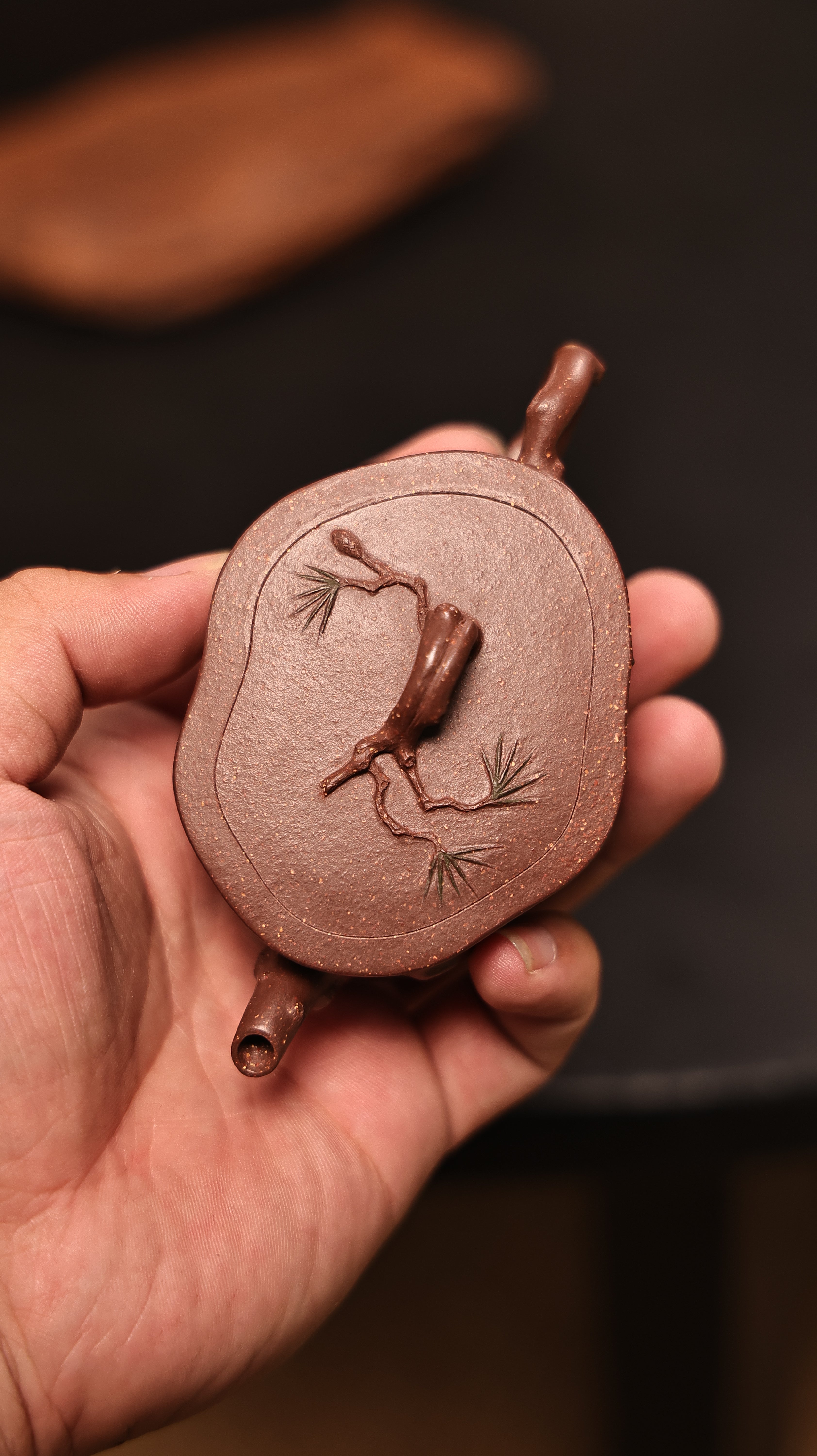
purchase driving Chinese purple clay kettle?
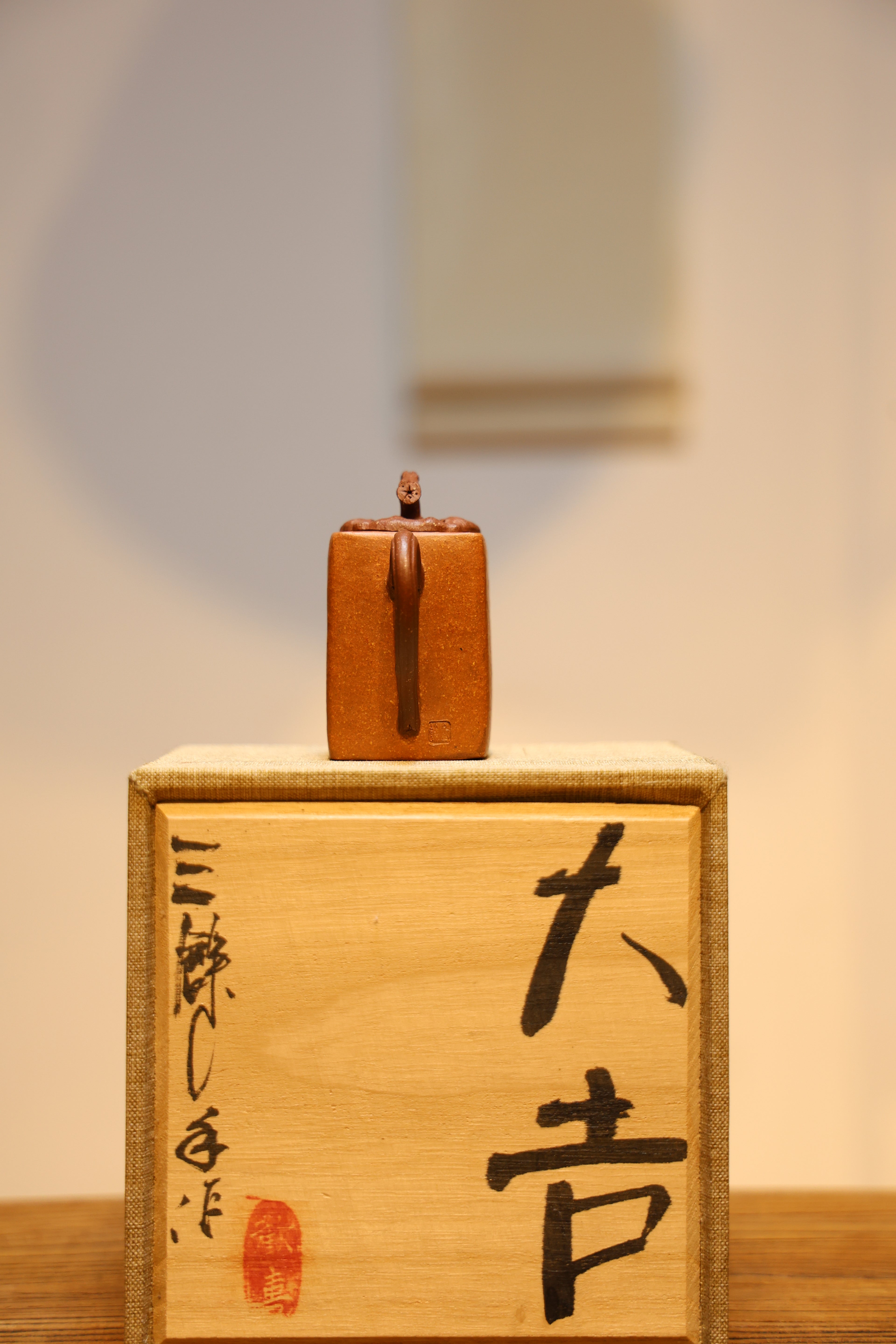
Embarking such complete inspection concerning Ising Tzu-sa clay vessels presents an captivating combination with craftsmanship alongside practicality.
Ihsing Zi Sha ceramic vessels boast one exceptional attraction within collectors internationally. The fascinating clay pots, produced from the specific Yixing location close to Jiangsu administration, China, stand as more than just brewing instruments; they function as works artistic beauty and cherished significance. Unique finely prepared clay, known for Zisha, imparts a nuanced flavor inside the tea, and the stylized designs, often mirroring traditional Chinese imagery, make their basic value. Purchasing a genuine Yixing Zisha teapot represents a fulfilling journey, posing careful scrutiny and an comprehension of the various factors influencing the uniqueness.
Exploring Yixing Tea Vessels
Ising vessels boast a profound legacy deeply interwoven with Chinese artistry. Originating in Yixing, Jiangsu zone, these ceramic jars are crafted from a unique, porous purple earth found only in that singular location. Their formation began during the Ming dynasty, with master craftsmen refining the processes over periods. Multiple Yixing Zisha Teapot types exist, including the classic Hexiang (resembling crab shells), Zhuni (red-brown hue), and Duan Ni (stone-studded) – each with distinctive properties. The worth of an Yixing earthenware pot isn't solely based on its size or adornment, but also on the potter’s reputation, the mineral's quality, and the vessel's age and condition. Gatherers often seek out older examples, believing they enhance the savor of the infusion brewed within them over time, further adding to their renown.- Classic Brewing Vessels
- Earth-Toned Ceramic Pots
- Rock-Adorned Ceramic Pots
Zisha Teapot Mastery: Creation & Systems
A assembly of Zisha teapots represents a peak of Chinese ceramic ability. Master artisans employ historic techniques, often passed down through heritage, to unlock the full beauty of this unique clay. Procedures involve meticulous designing by hand, often combined with the building method, followed by precise curing at incredibly high temperatures in wood-fired kilns. Ornamenting is equally crucial; artisans utilize natural clay colors and may incorporate engraving work to depict intricate scenes or patterns, demonstrating a profound familiarity of the material’s properties and voice. The product teapot isn't merely a vessel for tea, but a testament to a valuable cultural legacy.
Ancient Earthenware: An Guide to Ising Zi-sha
Exploring the world of a teapots regularly originates with Yixing Zisha. These rare clay teapots are produced from a distinct type of clay harvested only in the Yixing region of the Jiangsu locale province. Known for its remarkable reddish-purple hue and superior features, Zisha clay transfers a light flavor to the liquid and develops with age, transforming a cherished keepsake. Gathering Yixing Zisha clayware is more than just retaining a handsome object; it’s a salute of ancestry and finesse.
Investing in Yixing Purple Clay: Genuine Nature & Growth
Entering the market of Yixing Zisha artifacts can be incredibly fulfilling, but necessitates a thorough knowledge. Veracity is critical; numerous replicas are found, regularly cleverly manufactured. Gaining understanding about historical baking methods, distinctive dirt particulars, and the symbols of distinguished craftsmen is utterly necessary. On top of that, acknowledging the complexities of the rise movement – influenced by elements such as archaic value and the shape of the object – is essential to rewarding purchasing.
- Analyzing firing record.
- Requesting specialists for authentication.
- Estimating trading fluctuations.
Unique Technique of Making with a Stoneware Container
Such exclusive allure of a Zisha tool lies not just in its stunning appearance, but also in its illustrious impact on the aroma of the beverage. These vintage clay earthenware, sourced from specific regions of China, possess a native porosity that gradually interacts with the drink and leaves, imbuing the beverage with a elegant character. Mastering the practice requires a mindful approach, understanding how the earth responds to varying heating regimes and foliage types, ultimately leading to a unquestionably rewarding drinking ceremony.
Safeguarding Your Artifact
Proper care of your Yixing container is essential to protecting its longevity. These exceptional teapots, crafted from exclusive Yixing clay, form a finish over decades that raises their worth. Often rinse the interior with fresh water, avoiding abrasive liquids, and never use strong scrubbing tools. Infrequent gentle cleaning with a light cloth can enable in preventing discoloration. Allow your teapot to entirely dry following each use
Revealing Earthenware: What These Earthenware Are Special
The noted appeal of Yixing teapots is sourced in the unique properties of Earthenware clay, obtained solely near Yixing, China. This outstanding clay, known as ferruginous mineral , possesses a unusual combination of ingredients that, as years pass, absorb the taste of the beverages it houses. This causes a remarkable flavor profile for each vessel, rendering it a rate far surpassing its baseline-level price and contributing to their sought-after status among tea enthusiasts.
Identifying the Right Classic Clayware: A Stoneware Explanation
Venturing into the world of Purple clay teapots can feel overpowering, but understanding the basics is key to choosing a prized piece. This type of clay, sourced mostly from the Yixing locale, Jiangsu territory, is distinguished for its singular composition and ability to raise the character of the elixir over duration. Ponder the configuration, the tint, and the visual appeal; a real Zisha teapot is more than just a pot; it's a masterpiece and a reflection of traditional culture. Look for the symbol of the fabricator for clues to its roots and potential cost.