risk controlled record keeping pigging systems for batch tracking?
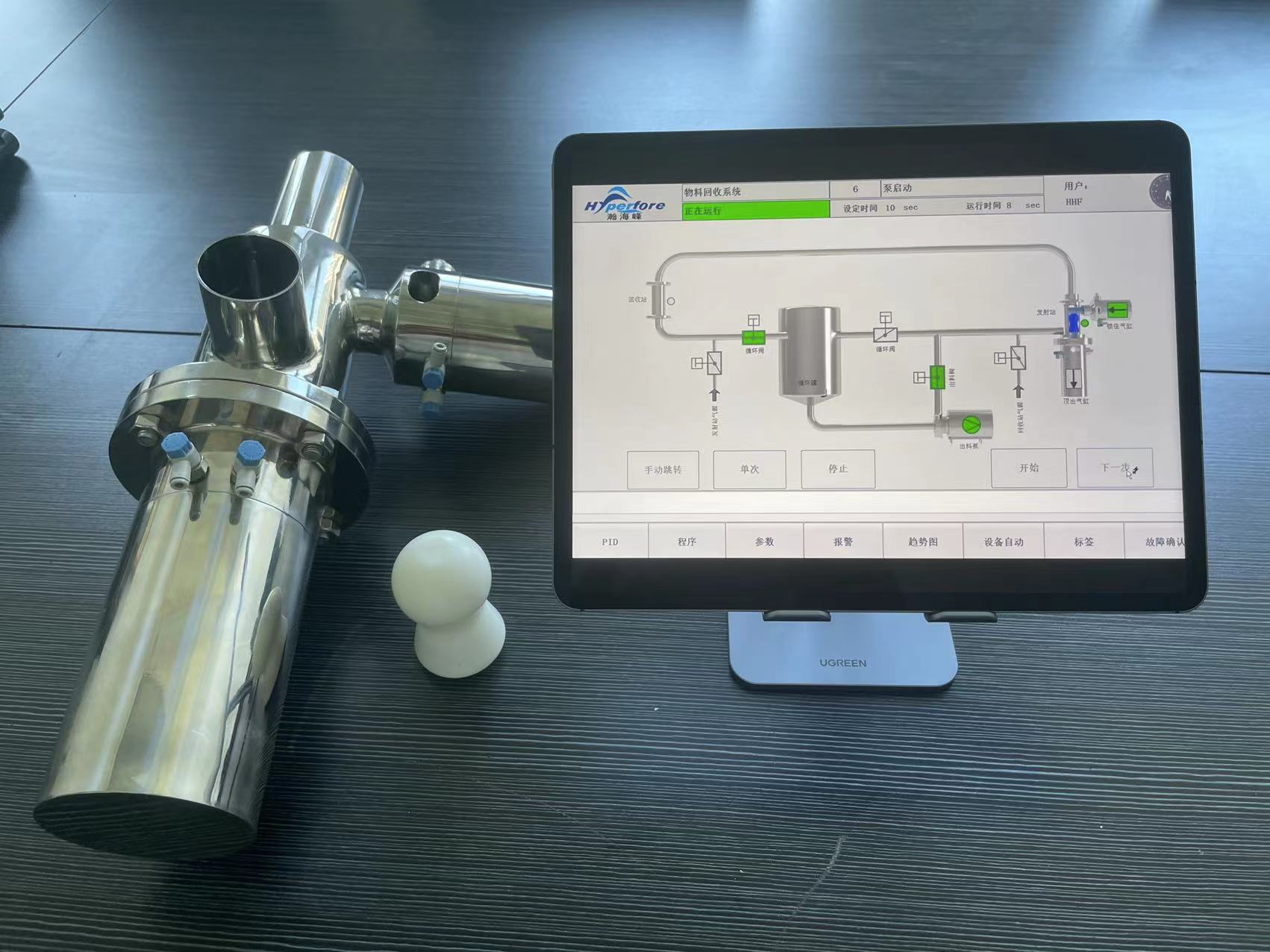
Commencing Advanced Pigging Technologies sanitary pigging systems
Food-Grade Pigging Practices
Employing food-compliant cleaning devices ensures top-tier immaculacy including preserved contents. Such approaches are equipped with certified hygienic substances qualified to resisting intensive sterilizing cycles while hampering germ development.
- Cutting-edge models employ self-cleaning capabilities, boosting cleaning success.
- Meeting legal requirements remains essential for each sanitization framework implemented in food processing. Approaches are engineered to match tight policies, guaranteeing the utmost safety conditions.
Enhancing Flow Enhancement through Pigging Techniques
Pipeline system pigging devices supplies a dynamic technique for improving conduit productivity. By deploying intelligent pipeline tool deployment and strategic maintenance routines, technicians can minimize process halts, maximize delivery capacities, and safeguard system stability. Pigging recognizes potential complications such as clogs or rusting but also facilitates efficient upkeep and testing approaches. This preventive flow governance materially minimizes maintenance costs and helps the entire stability of pipeline systems.
Pet Food Processing Pigging Solutions
Fluid pipeline pigging have become essential components within the animal feed processing industry. These systems simplify the safe and efficient handling of ingredients through conduits, limiting unintended blendings. By reliably differentiating different raw materials or product batches, pigging systems assist preserve the highest levels of caliber and trustworthiness in pet food production.
As well, pigging systems equip a set of benefits, including reduced downtime for cleaning and repair, improved operational performance, and minor ingredient spillage. The use of pigging systems finally augments the production of protected, wholesome, and steady pet food.
Critical Design Elements of Sanitary Pigging in Pet Food
Among the assembly of pet food, preserving sanitary conditions is vital. Pigging systems serve an indispensable function in securing product excellence and protection by efficiently cleaning pipelines between fabrication stages. A well-designed pigging system comprises aspects that curb cross contamination dangers, promote efficient cleaning procedures, and ward off source contamination between batches.
- Applying cleanable exteriors decreases the potential for bacterial accumulation.
- Ingredients that are sterilizable and chemical-resistant are imperative for guaranteeing hygiene.
- Effective seals prevents the inverted motion of unwanted substances during cleaning and feed transport.
Sanitation-focused pigging structures also enhance manufacturing speed by limiting downtime for purification. By properly removing residues and hindering cross-contamination, these systems add to a more steady production process, finally leading to the assembly of uncontaminated and exceptional pet food.
Pipeline Hygiene and Evaluation
Maintaining the quality of pipelines is paramount for safe and high-performance circulation of substances. Pigging systems equip a budget-friendly process to inspecting pipelines. A pig, also designated a pipeline toolkit, functions as a high-tech device launched through the pipeline to undertake various actions. Cleaning pigs remove buildup and contaminants, while inspection pigs are armed with sensors to detect deficiencies in the pipe walls. Regular pigging helps lessen pipeline failure, promoting safe and reliable workflow.
- Infinite types of pigs are available, each adapted for specific requirements.
- Pigging operations are efficient and can be executed without interference.
- Incorporating a pigging program can amplify the longevity of pipelines and cut down maintenance costs.
Leading-Edge Pigging Methods for Pet Food Production
Pigging is recognized as a important strategy in the pet food industry, confirming efficient and sanitary production.
High-tech pigging technologies leverage sophisticated tools to competently sterilize pipelines. This lessens the risk of unintentional blending between different pet food formulations, thereby enhancing product safety and quality.
Additionally, advanced pigging methods offer a range of benefits such as: * Augmented maintenance performance * Reduced downtime for repairs * Heightened sanitation adherence * Reduced reliance on hazardous cleaning chemicals
The adoption of these technologies demonstrates the pet food industry's commitment to maintaining safe and top-tier manufacturing for animal lovers.
Difficulties and Fixes in Pigging Systems for Pet Food Production
Cleaning pig setups are essential in the pet food production process, maintaining efficient transfer of materials and finished products. However, these systems face wide-ranging challenges. One prevailing matter is blockages caused by material aggregation. Overcoming this problem involves employing pigging processes such as customizable equipment and refining ingredient structures.
Another concern is the threat of contamination. Prevent this, strict sanitation protocols are to be enforced throughout the pigging system. This encompasses regular cleansing of pigging mechanisms and application of effective cleaning extracts. Regular evaluations are also important to uncover potential difficulties early on. By adopting these solutions, pet food manufacturers can protect the efficiency and quality of their pigging systems.
Perks of Pigging Applications in Pet Food
Pipeline pigging tools offer a variety of gains for pet food manufacturers seeking to raise their production processes. These systems use propelled pressure aimed at propel a pig, a cleaning device, through the pipeline, competently removing product residue and contaminants. Consequently, pigging systems facilitate to superior hygiene standards, shrinking the risk of cross-contamination and providing a safer final product for buyers.
- Additionally, pigging systems can inflate production efficiency by shortening downtime for cleaning and maintenance.
- Besides, they contribute to lessen waste by stopping product loss during pipeline cleaning.
- At last, pigging systems can be customized to accord with the specific requirements of different pet food production lines.
Pet Food Production Case Studies: The Power of Pigging
Pet aliment domain is becoming more reliant on efficient and sanitary methods for keeping optimal product quality. Pigging systems have grown as a dominant solution to meet these demands, offering a proven method for cleaning and maintaining pipelines within pet food plants.
A variety of case studies highlight the impact of implementing pigging systems in various levels of pet food production.
- Corporations like [Company A], [Company B], and [Company C] have documented significant improvements in sanitation, product integrity, and overall operational success following the adoption of pigging systems.
- Benefits such as reduced downtime for cleaning, reduced cross-contamination risks, and improved surveillance of product flow have been recognized in these case studies.
Furthermore, pigging systems contribute to greenhouse gas emission reduction by increasing resource utilization and minimizing waste generation.
Deciding on the Right Pigging System for Your Pet Food Pipeline
On the subject of ensuring the hygienic standards of your pet food conveyor, a solid pigging system is paramount. Pigging systems optimize efficiency by flushing product residue and reducing cross-contamination between batches. Selecting the correct system depends on a variety of criteria, including your process scale, raw material characteristics, and existing infrastructure.
- Consider the width of your conduits to ensure a matching pig design.
- Evaluate the texture of your pet food products to identify the appropriate pig material and rapidity of operation.
- Stress systems that embrace features like computerized launching and retrieval for upgraded safety.