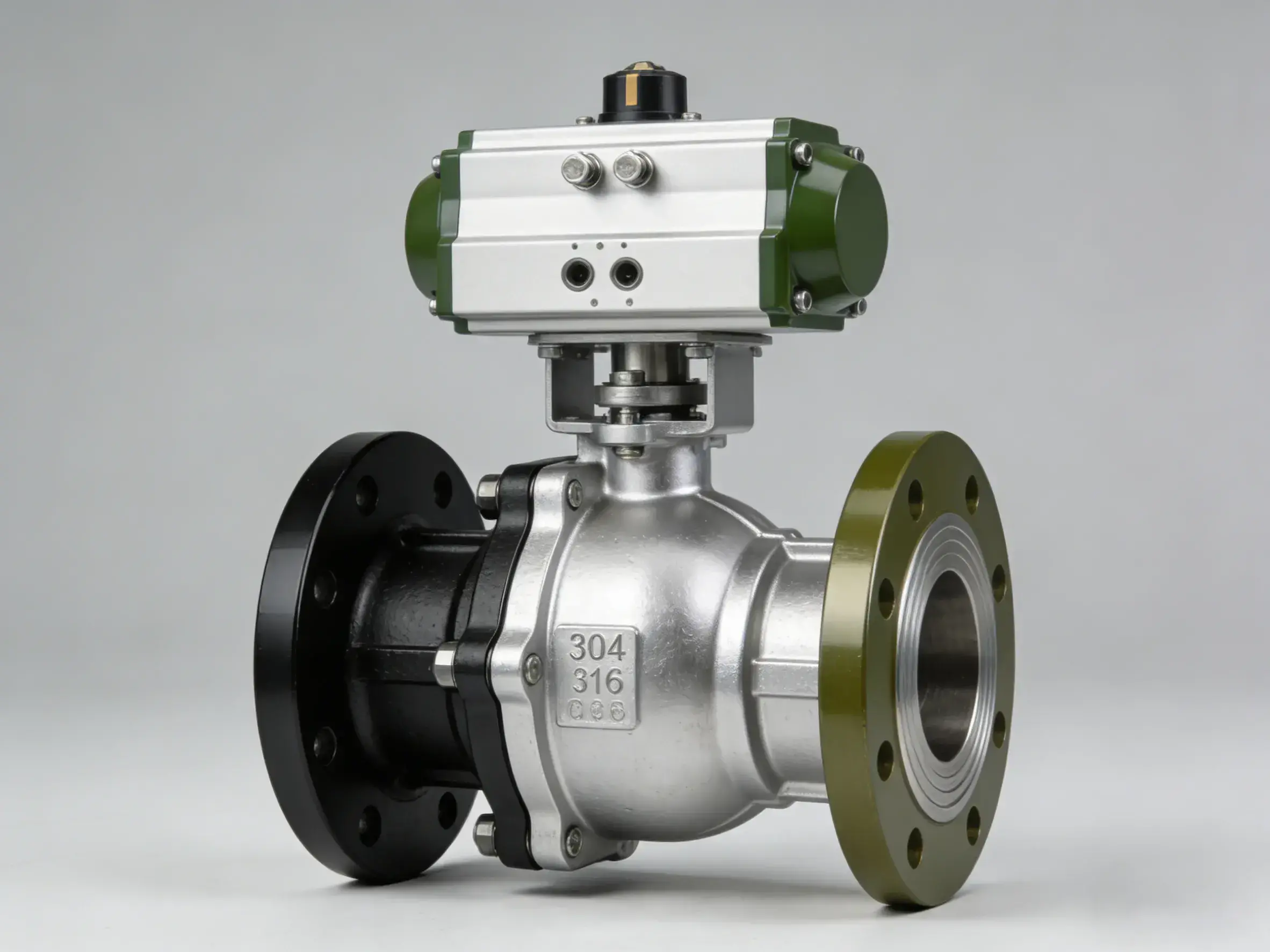
safety centered skid mounted filter valve solutions?
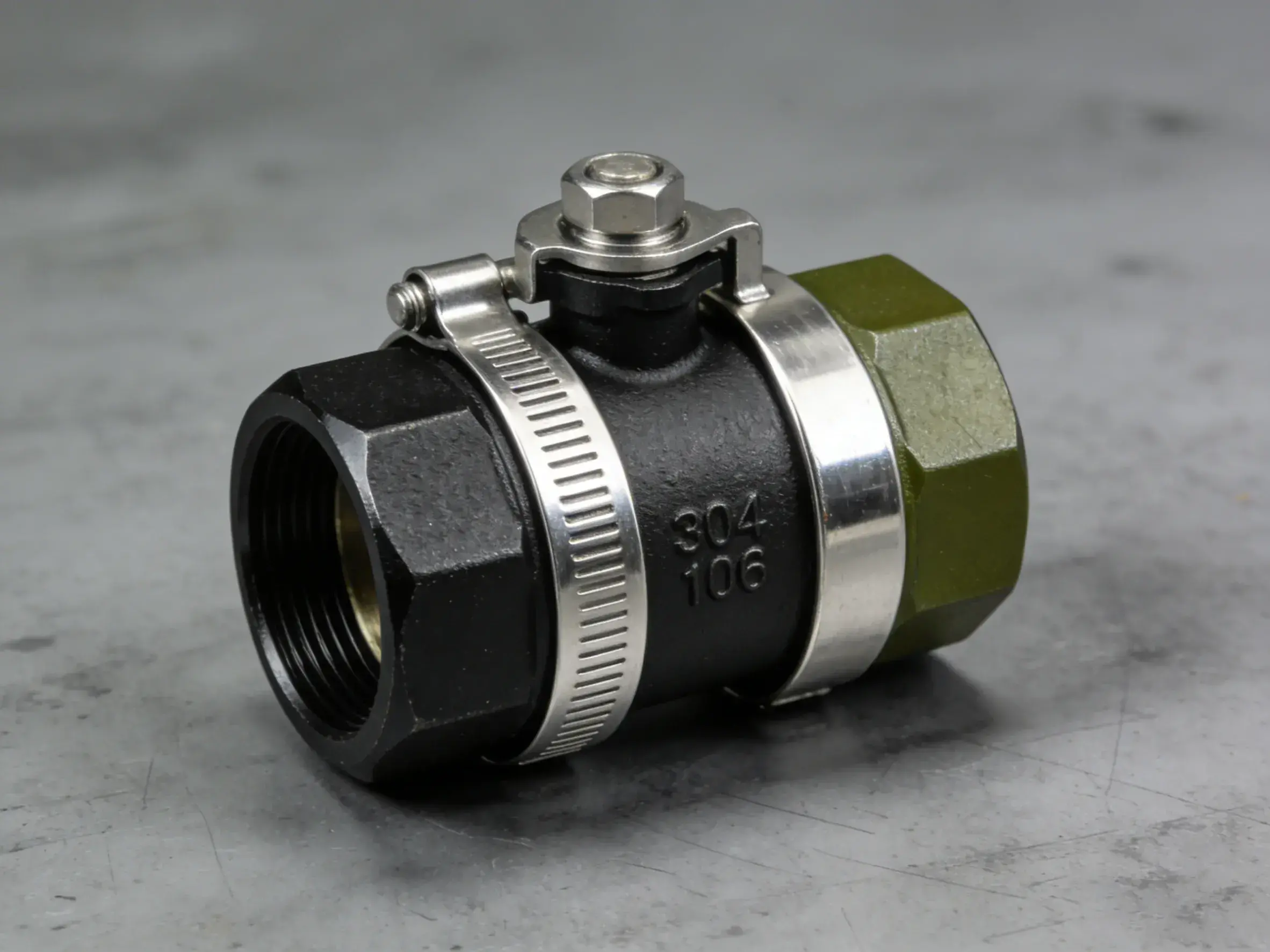
Fundamental industrial valve choice enhances operational efficiency and complete system functionality. To ensure optimal operation, you should carefully select valves that fit application demands.
An extensive valve selection handbook needs to assess a array of variables like fluid properties, force magnitude, thermal parameters, flow amount, and steering demands. Moreover, determining the preferred valve activation system, for example pneumatic, hydraulic, or electronic, is critical.
Detailed Evaluation of Butterfly Valve Operation
Defining precise performance benchmarks for butterfly valves is fundamental for professionals pursuing steady and reliable system activity. The examination addresses essential aspects governing butterfly valve efficiency, including design attributes, operational contexts, and testing approaches. By exact appraisal of these considerations, this piece wishes to ensure comprehensive awareness of elements advancing butterfly valve functionality.
- Fabrication traits essentially steer overall capability
- The substance constituting valve casing largely affects its longevity across different usage scenarios
- Fluid resistance constitutes an important metric analyzing butterfly valve functionality, mainly during elevated flux requirements
Ball Valve Applications in High-Pressure Systems
Ball valves stand out as a reliable choice for managing high-pressure applications. Their simple design incorporates a spherical ball with a port that rotates to control the flow of fluids. This construction effectively handles high-pressure conditions thanks to its tight sealing.
In realms like natural resource industries, ball valves perform a key duty in operating increased pressure pipe networks. Their robustness qualifies them as fit to resist the impact of raised pressure elements.
- Additionally, ball valves offer rapid actuation, facilitating immediate flow control.
- Available in a variety of materials and sizes, ball valves can be customized to meet the specific needs of different high-pressure applications.
Knowing Diverse Valve Kinds and Their Features
Throughout fluid mechanics, valves undertake a key role administering fluid and gas streams. Opting for the right valve category is critical for achieving optimal operation. Valves organize depending on their operability, blueprint, and implementational field. Popular valve classes incorporate gate, globe, check, ball, and butterfly samples. Every kind presents peculiar elements, adapting them to dedicated tasks. For instance, gate valves are used for regulating flow completely, while globe valves provide fine control over flow rate. Check valves restrict backward flow, protecting one-directional movement. Ball valves provide fast and dependable open-close control, whereas butterfly valves excel in high throughput scenarios.
Optimizing Flow Control with Industrial Valves
Handling movement of fluids and gases is significant in numerous operational domains. Industrial valve apparatuses maintain primary responsibilities guiding the flow of fluids and vapors across facilities. Employing suited valve categories along with effective control tactics allows producers to enhance operational productivity, security, and output excellence.
A principal consideration in refining flux handling depends on awareness of various valve utilizations. Multiple valve outlines align with unique flow profiles, compression spans, and operational milieus. Especially, globe valves continually assist in flow modulation, but ball valves dominate in rapid shut-open procedures.
To ensure precise flow regulation, it's essential to consider factors such as valve sizing, actuation mechanisms, and control systems. Incorporating progressive control setups such as PLCs delivers automated fluid monitoring and regulation, enhancing operational performance.
Periodic maintenance of valve equipment is essential for minimizing defects and supporting steady fluid control. Noticing immature issues rapidly supports minimizing expensive stoppages and maintaining consistent functionality of key procedures.
Maintenance Best Practices for Industrial Valves
Routine upkeep of factory valve systems is essential for securing stable and trustworthy functioning across industries. A thorough servicing schedule has to be developed, containing recurrent evaluations to identify uncertainties before major disruptions take place. Lubrication of valve components according to the manufacturer's recommendations can significantly extend their service life and reduce friction. Furthermore, it's important to keep valves clean by removing any debris that may impede proper functioning.
An all-encompassing upkeep plan must incorporate logging of every procedure related to valves, covering timelines, staff participants, and component substitutions. Careful documentation assists in monitoring valve condition longitudinally and supports strategic planning for upcoming servicing.
Utilization of Automation in Valve Control
Automated solutions have evolved valve functionality in diverse industries. Employing automation technology facilitates better valve oversight, decreasing human interaction and raising operational efficiency. Machine-driven valve management supplies various perks including heightened correctness, minimized breaks, and superior protection
- Monitoring equipment assumes indispensable parts in electronic valve systems, sharing real-time updates on valve state. Such feedback is analyzed by management units to dynamically modify valve parameters
- Distributed control systems typically operate automated valve mechanisms, promoting sophisticated control tactics. The architectures monitor valve service, diagnose troubles, and conduct fixing procedures
Moreover, automation in valve operation contributes improved process monitoring. Receiving valve performance data helps technicians secure useful intelligence to maximize process functionality and cut expenditures
Critical Safety Protocols for Installing Industrial Valves
When mounting valves in industrial settings, meticulous safety standards are fundamental. Breaching precautionary protocols invites perilous failures, conceivably producing system damage and essentially personal harm. A comprehensive hazard survey should be performed prior to installation identifying probable risks and deploying suitable protective protocols.
Ascertain all personnel executing assembly tasks have adequate education and licensing concerning valve usage and safety protocol adherence. Configure a steady plan for ongoing inspections focused on revealing problems or deterioration in valve mechanisms. Preserve comprehensive logs including every assembly, checking, and repair operation for reference purposes
- Conform to necessary corporate measures and ordinances governing valve installation and use
- Apply compatible devices and apparatus tailored for manufacturing valve setup
- Consult thoroughly with all agents linked to the operation to enable secure and effective assembly
Valves: Crucial Elements in the Process Sector
Within the involved area of production/manufacturing/industrial substrata, valves represent necessary items. They serve to regulate the flow of fluids within complex systems, ensuring operational efficiency and safety. Valves get deployed throughout extensive tasks, encompassing supervision of temperature levels and pressures along with product conveyance
- Different valve categories arise, each devised to handle specific duties. Regular examples comprise gate, ball, and globe selections
- Opting for valves accounts for factors like throughput rate, pressure magnitude, heat level, and substance category
- Reliable valve performance is paramount in process settings to prevent disruptions and ensure product quality
Ongoing surveillance of valves helps optimize endurance and prevent failures
Modern Substances in Valve Fabrication and Engineering
The improvement in valve engineering and fabrication tightly connects to steady incorporation of leading-edge elements. These modern compositions grant several refined attributes over traditional picks, facilitating makers to assemble more powerful valves. Characteristic instances involve tough ceramics selected for firmness under strict circumstances, along with light metallic materials maximizing productivity while limiting weight. The application of state-of-the-art materials results in valves presenting upgraded sealing quality, extended lifespan, and improved corrosion tolerance
Valve Actuation Mechanisms: A Comparative Study
{This investigation delves into the diverse valve actuation mechanisms prevalent in modern engineering applications|This exploration examines the varied valve drive technologies common in contemporary engineering uses|The study analyzes the mixed valve triggering systems typical in current engineering projects|This research evaluates the assorted valve motion Globe Valves methods widespread in advanced engineering scenarios|The survey inspects the multiple valve control techniques existing in up-to-date engineering solutions|This review considers the assorted valve operating mechanisms encountered in present-day engineering environments|This analysis explores the various valve activation systems found in progressive engineering implementations|The inquiry scrutinizes the heterogeneous valve act