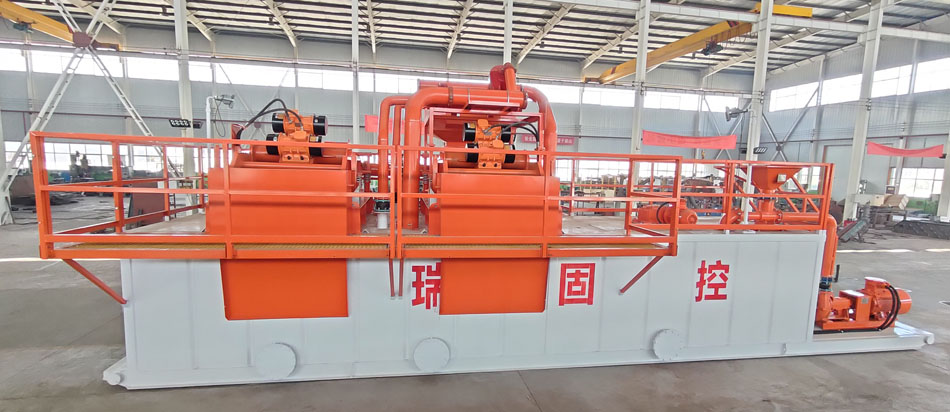
solution focused Shaker Screen performance assurances?
Within the demanding sectors of petroleum extraction proper handling of drill cuttings Shale Shaker is vital.
Shaker devices perform an essential task in eliminating debris and particulates from drilling slurries, thus attaining maximum well hole soundness and effectiveness. In an effort to maximize their efficiency, raising shaker efficacy includes harmonizing multiple considerations. This encompasses selecting the appropriate shaker variant and mesh aperture by drilling conditions, periodic checkups deterring impairment, and implementing premium procedures for slurry control. By thoroughly addressing these points, operators acquire essential enhancements related to drilling capability, residual control, and systemic functional preservation.
Prioritizing Shaker Screen Choice for Efficient Fluid Separation
Correct determination of shaker screens directs efficient drilling potion cleansing. These screens serve an indispensable function in extracting solids and particles from drilling suspensions. Screen pore measurements must be extensively assessed according to fluid composition and particulate varieties. Selecting improper shaker meshes possibly results in lowered filtering success, threatening drilling execution.
Effective filtration of fragments from drilling compounds promotes wellbore soundness. Advancing drilling proficiency, prolonging operational life, and lessening structural damage. A meticulously crafted shaker mesh system can substantially elevate total drilling productivity.
Cutting-Edge Technologies for Drilling Waste Processing in Environmentally Friendly Operations
The hydrocarbon production industry generates large quantities of drill waste, posing serious environmental challenges. For minimizing harm, analysts ceaselessly implement leading-edge treatment innovations. These treatments work to lower waste volume and harmfulness while reusing beneficial components. Advanced innovations span decay facilitation, mechanical clarification, and chemical remediation. With deployment of these pioneering solutions, the industry promotes environmentally responsible ventures, lowering carbon footprint and enhancing biosphere wellbeing.
Streamlining Productivity of Mud Reuse Equipment: Minimizing Environmental Burden
Elevating residue recycling approaches serves an important role in curtailing environmental hurt caused by construction and manufacturing tasks. By capably reprocessing sludge, disposal volumes shrink significantly, conserving natural wealth and decreasing pollution. A top-tier sludge recycling scheme needs tools ensuring greatest efficiency. These involve sophisticated separation technologies, rigorous cleaning protocols, and environmentally sound handling practices for residual matter. Furthermore, continuous maintenance and personnel training remain vital to sustain system efficacy and reduce environmental impact.
Unified Techniques for Integrating Shale Screen and Mud Reuse Equipment
Petroleum production enterprises consistently target improved strategies for drilling effectiveness. Residue reuse serves as an essential component underpinning these targets. Pioneering blended practices appear to handle drilling fluid recycling complexities, bringing substantial rewards. Synergistic models incorporate assorted technologies to strengthen efficacy, suppress contamination, and aid entire drilling ventures. Eventually, they uplift drilling results in effectiveness and ecological aspects.
Progress in Filtration and Separation of Drilling Debris
The hydrocarbons field persistently works to reduce ecological footprints of their projects. A key matter involves regulating drilling residuals with capable filtration and separation of solids from drilling brews. Recent strides in cleansing and isolation mechanisms deliver effective solutions to reduce residue masses and facilitate repurposing or disposal.
- Innovative layering membranes and active carbon types illustrate pioneering filtering agents withdrawing extended pollutant ranges in drilling blends
- Gravity, centrifuge, and sedimentation-based techniques gain higher precision in isolating fluids from solid drilling remnants
- Robotic, AI-enabled, and automated platforms incorporate into cleansing and fractionating processes boosting reliability and observation
Also, analysis proceeds on unconventional drilling refuse elimination methods, embracing redevelopment through refurbishment.
Apprehending the Importance of Shale Separators in Fluid Handling
Drill cuttings separators maintain major positions in energy harvesting for extracting drilling solids. Such cuttings include rock chips, geological shards, and assorted residues collected through drilling advancement. Efficient removal of cuttings remains crucial for preserving fluid viscosity and density needed for cooling drill bits, lubrication, and preventing borehole instability. These systems depend on shaking vibrations to separate solid fragments from lighter drilling liquids. Divided cuttings funnel into collection bins whereas clarified drilling liquids flow back for continuous use. Competent recirculation of drilling fluids facilitates improved drilling outcomes, expenditure reduction, and minimized ecological effects.
Shaker Screen Layout Enhancement to Lower Drilling Debris
Refining shaker screen architecture constitutes a key stage in controlling drilling waste volumes. Suitable shaker mesh employment greatly strengthens sediment elimination, alleviating waste dumping burdens. Careful evaluation of aperture dimensions, screen positioning, and slurry movement proves vital to maximize efficacy. Such endeavors jointly enhance ecological conservation by lowering volumes of produced refuse.
Outlook on Drilling Waste Treatment Technology: Smart and Automated Techniques
Energy resource industries regularly renew efforts to confront mounting commercial expectations and statutory laws. A vital point attracting notice involves waste treatment in drilling, utilizing automated and intelligent methodologies. Via use of these state-of-the-art solutions, the segment materially curtails eco damage and boosts efficiencies.
Programmed robotics, AI sensors, and automated analysis platforms currently enhance immediate supervision of drilling discards. These provide crucial data generating insights valuable for refining treatment protocols and waste management strategies. Accumulated data aids modifying present methods and developing novel approaches.
Plus, smart applications featuring machine reasoning, estimating, and data scrutiny encourage early problem recognition. This preemptive attitude enables swift actions, lessens eco harm, and deters workflow interruptions.
Illustrative Cases of Successful Adoption of Shale Shaker and Mud Recycling Arrangements
The natural gas sector regularly devises pioneering solutions to upgrade drilling processes and lower eco damages. Research highlights impressive outcomes linked to shale shaker and residue reuse framework execution. The equipment critically supports drilling improvement by filtering solids from drilling liquids and competent reuse of fluids, delivering notable budget relief and waste lessening.
New validated reports detail integration of shaker systems in large-scale drilling operations. Profitable outcomes involve remarkable declines in fluid waste disposal costs and mitigated environmental influences. Additionally, recycled drilling mixtures display refined qualities bolstering stronger borehole support and diminished blowout hazards.
- Numerous tests support shaker system effectiveness in filtering debris from drilling formulas, boosting tool lifespan and trimming servicing duties
- Sludge recycling infrastructure has attained efficiency in reducing water need and limiting pollutant discharge into ecosystems
Fusing shale separator and mud recovery technologies signals a paradigm change in drilling fields, bestowing significant cost-saving and ecological improvements. Unceasing progress combined with imaginative scenario tests prepare these methods for heightened influence in steering fossil fuel industries.
Enhancing Shale Shaker Functionality: Economical Strategies for Optimization
Maximizing shaker apparatus output while curtailing operational expenses stands as a fundamental factor in proficient petroleum extraction. Adopting affordable solutions can noticeably advance shaker capability and trim cumulative expenses. Important measures embrace scheduled screen monitoring for attrition, retaining proper vibration intensity, and adjusting fluid velocity per workload demands. Anticipating operational risks and instituting cost-effective fixes delivers enhanced capability and stability in shaker machinery.