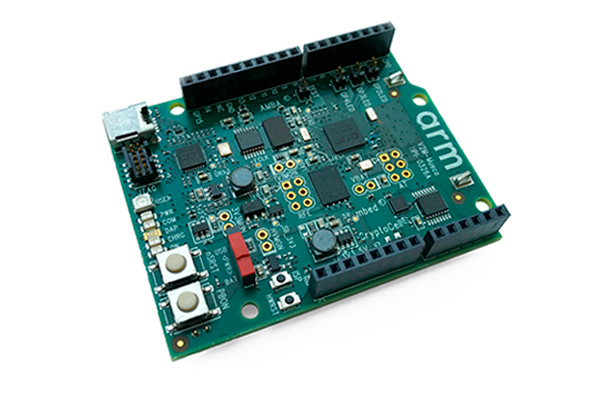
Studying integrated computing solutions Is firmware update support and reliability stronger on x86 or arm embedded devices
For a long time, the software ecosystem has been governed by two major models: the ARM and x86 models. Neither framework mirrors mutual strengths, leading to a ardent battle for consumer base. While the seasoned x86 architecture, has long held the crown in PC and server domains, ARM's rise has been nothing short of dramatic.
ARM's low-energy competency, coupled with its flexibility, has made it a favored choice for smartphones and embedded platforms. However, ARM is now aiming to conquer new zones, including notebook computers and server farms. This ambition has provoked the traditional x86 giants, who are retaliating via innovative methods to maintain dominance.
- Essential variations in blueprints determine system responsiveness, power consumption, and overall system design.
- The emerging standards of purchasers are driving the demand for more efficient computing solutions.
In conclusion, the competition between ARM and x86 remains fluid and constantly changing, with both platforms continuously evolving to meet the demands of a rapidly changing world. The outcome of this race remains to be seen, but one thing is certain: the future of computing will be shaped by the innovations and advancements of these two titans.
best x86 sbcAssessing ARM vs. x86 on Performance Grounds
Within the continuously transforming technology field, selecting the ideal computing blueprint can be a formidable problem. Two titans dominate the market: ARM and x86. Both offer compelling strong points, but their performance elements diverge significantly. This profound analysis delves into the nitty-gritty of each architecture, empowering you to make an informed decision.
- Speed
- Energy Efficiency
- Budget
Benchmark study will be conducted, real-world applications, and the benefits of each architecture, helping you establish which platform best suits your criteria.
Motivations for ARM's Preeminence Versus x86 in Embedded Spheres
ARM units maintain leadership in embedded apparatus areas. This dominance can be attributed to several key factors. First, ARM's architecture is inherently power-efficient, making it ideal for devices with limited power budgets. Second, the ARM ecosystem boasts a vast and active community of developers and hardware partners, providing ample support and pioneering. Finally, ARM's user-friendly patent framework backs customization for customized objectives, leading to a wide range of alternatives. These factors have merged in securing ARM as dominant for countless embedded devices, from smartphones to smartwatches and even industrial control systems.
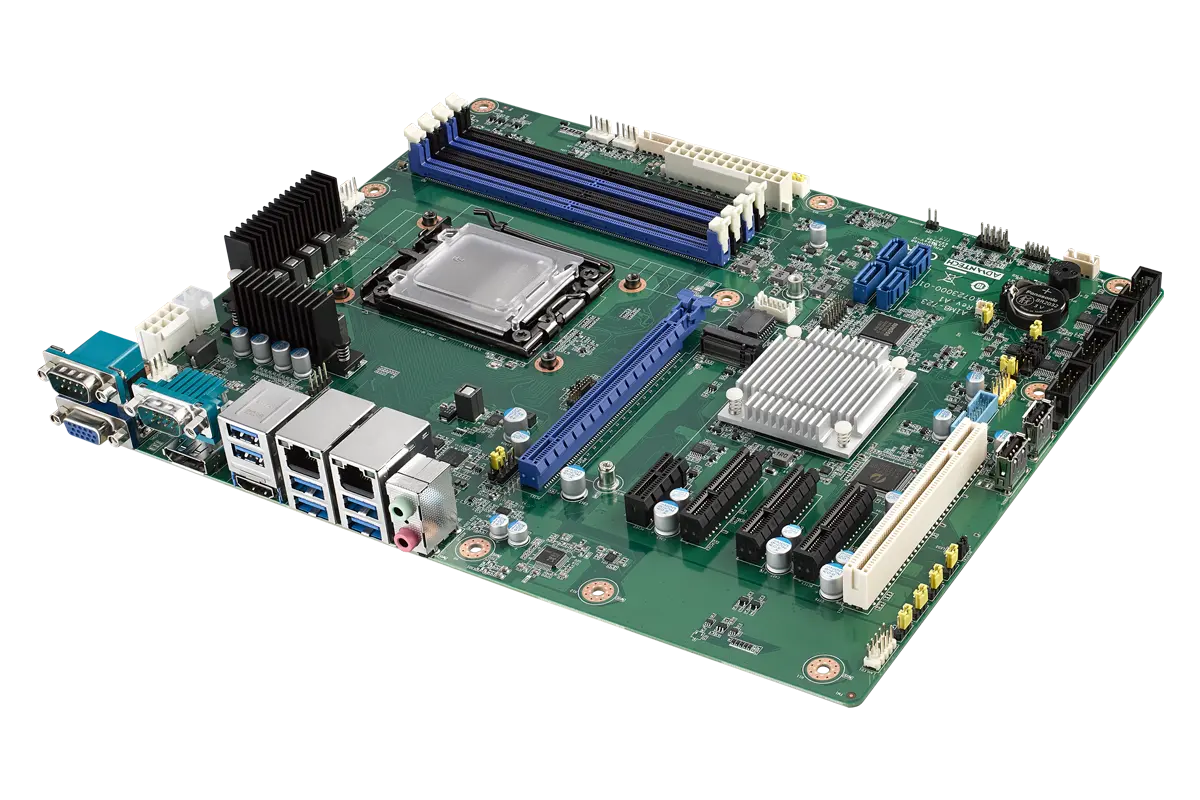
Best x86 SBC for Power Users
Choosing the ideal x86 Single Board Computer can be a daunting task, especially when you're a experienced enthusiast. You need a device that can process substantial data, offer reliable features, and provide a platform for intensive projects.
- Several factors contribute to the best SBC for your needs, including processing power, RAM capacity, storage options, connectivity features, and community support.
- For genuine experienced personnel, a board with a robust CPU akin to Intel i5 or AMD variant is essential.
- Complemented by large RAM and speedy storage necessity for smooth and efficient operation.
Avoid choosing SBCs with only basic specs; invest in a platform that can totally strengthen your ambitions.
Unlocking the Potential of x86 Single Board Computers
Delving into the world of affordable x86 SBCs can be both exciting and rewarding. These small computers supply a broad range of functions to users. From building home automation systems to exploring programming languages, x86 SBCs provide a resourceful, inexpensive foundation for creativity. This guide will empower you with knowledge to navigate the diverse landscape of x86 SBCs, exposing possibilities of these clever instruments.
- Survey progression and importance of x86 SBCs in IT infrastructure.
- Evaluate standard x86 SBC offerings by capacity and suitable markets.
- Fathom primary parts comprising x86 SBC configurations.
- Uncover software ecosystems around x86 SBCs featuring system software and dev utilities.
- Highlight groundbreaking initiatives using x86 SBCs through numerous domains.
Emergence of ARM in Personal Computer Sectors
Even though commonly identified with mobile electronics, ARM architecture is steadily making inroads inside personal computer environments. Several factors contribute to this direction, including the increasing demand for energy-efficient computing and the growing popularity of cloud-based applications. Enterprises like Apple employ ARM CPUs in mobile PCs, demonstrating the potential for high speed. This trend is further fueled by the development of new platforms specifically tailored for desktop workloads. As these innovations mature and become more widely available, we can expect to see ARM's presence expand substantially within forthcoming periods within personal computer sectors.
x86 vs ARM What Architecture Suits Your Needs
When selecting a new computer you will encounter two dominant architectures: x86 and ARM. Both offer distinct profits, making the decision a matter of aligning your needs with the right platform.
Traditional x86 framework is noted for solid computing backed by wide-ranging software resources It prevails in desktops, laptops, and workstations, particularly for demanding tasks like gaming or video modification. ARM, on the other hand, focuses energy efficiency and a compact design. This forms it ideal for mobile devices, embedded systems, and increasingly, server farms.
- Think about your main application reason: Are you a enthusiast? Do you need raw power or efficient energy consumption?
- Scrutinize program matching with CPU types. Not all applications are available on both platforms.
- Balance pricing and accessibility in regard to system decision.
Miniature and Impressive Premium ARM Single Board Computers
SBC environment exploded recently, dominated by ARM solutions for capability and low consumption. These compact apparatus pack a surprising punch, offering incredible capabilities within a miniature footprint. For hobbyists, makers, and even professionals, ARM-based SBCs provide a economical platform for everything from learning about electronics to building fully functional creations. Whether you're looking for a budget-friendly option or a high-performance powerhouse, there's an ARM-based SBC out there to meet your needs.
- Dive with us into front-runners across this blossoming field!
Contrasting ARM and x86 Throughput Benchmarks
Contrasting ARM with veteran x86 structures on benchmarks shows interesting findings. While x86 has traditionally prevailed in computing muscle, particularly for complex software, ARM systems are consistently narrowing differences, especially in areas like mobile performance and energy efficiency. The recent surge in popularity of ARM-based cores used in notebook and desktop systems further fuels this battle. It's important to note that benchmark results can be altered with different influences, including the specific model being tested, the software workload, and even the operating system. Therefore, it's crucial to analyze scores holistically rather than only values.
Are we seeing ARM Substitute x86 as Main Architecture
The silicon world undergoes ongoing transformation, and one of the most captivating patterns highlight ARM's expansion. While x86 has long commanded the market, ARM's low consumption earns rising interest. This has led to discussions that ARM might eventually replace x86 as the foremost architecture.
- Diverse drivers motivate this transition: ARM's eco-friendly design benefits mobile appliances, ultramobile computers, and cloud hosts.
- Besides, ARM's broad licensing policy boosts invention within the market, constructing expansive collections of ARM-built chipsets.
Yet x86 preserves a commanding market share. Principal companies commit sizeable funding for x86 innovation, and existing infrastructure continues functioning as before.
Ultimately it is unclear whether ARM will fully replace x86. The hardware evolution depends on tandem development of these formats, with each fulfilling its role throughout varied technology sectors.
Forecast for ARM and x86 Collaboration in IT
Digital environments face continual development. Once distinct architectures, ARM and x86 are now on a collision course, converging to reshape the future of processing power. This convergence fosters exceptional solutions for developers and consumers alike. ARM's energy efficiency and compact design have made it the dominant force in mobile devices, while x86 has long reigned supreme in desktops and servers. However, these distinctions are becoming less clear-cut, driven by factors such as the increasing demand for mobile computing and the rise of cloud services.
- This synthesis presumably fosters a diversified product spectrum, powered by hybrid architectures that harness capabilities from both structures. This could result in enhanced portable electronics sustaining battery life with energy-wise servers.
- Furthermore programmers gain availability of extensive software ecosystems, enabling them to create innovative applications that expand technological limits. The future of computing looks very encouraging, with ARM and x86 convergence playing a pivotal role in shaping the next generation of technology.