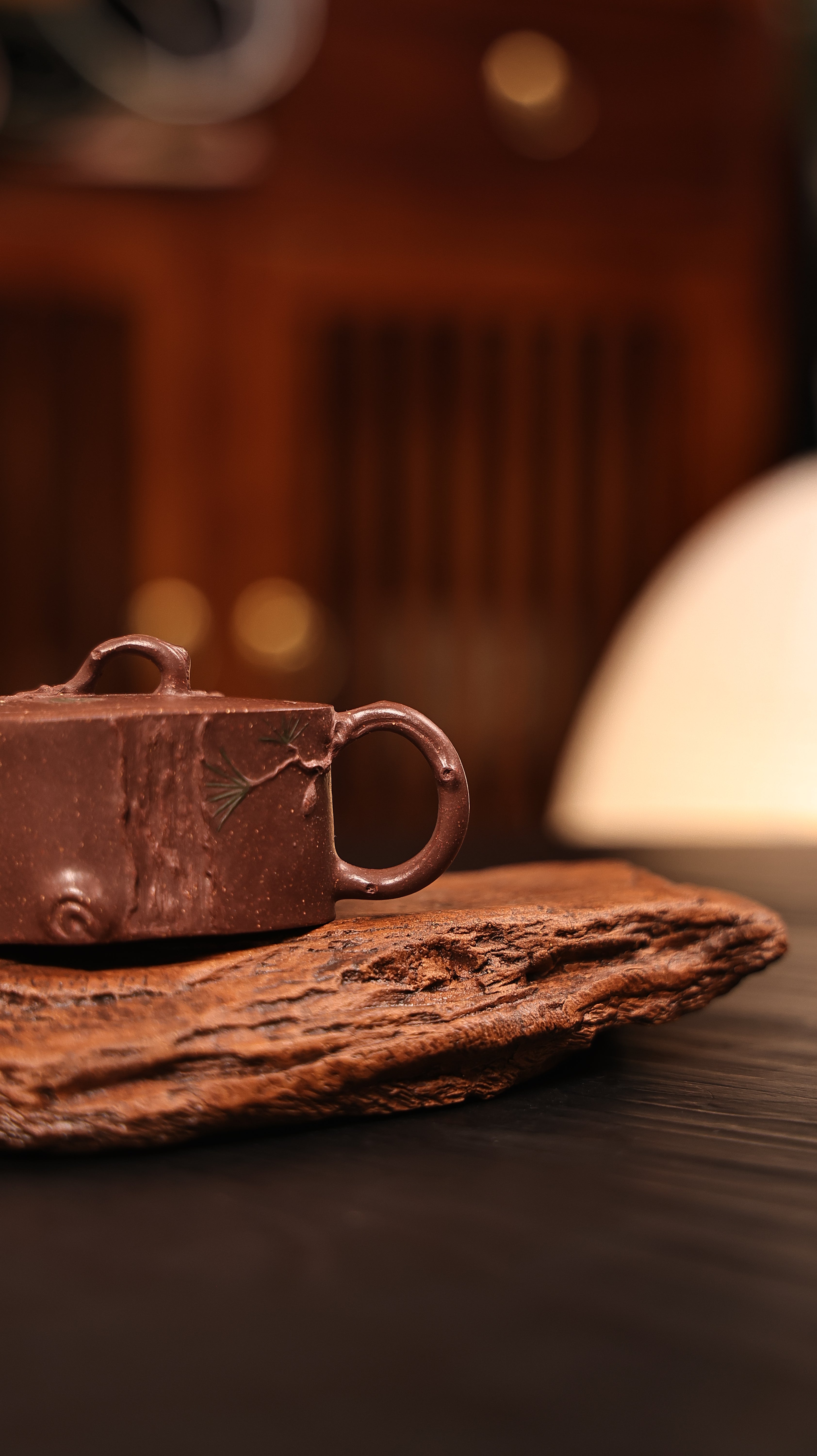
Why is a Purple Clay Teapot an ideal subject for behind-the-scenes kiln content?
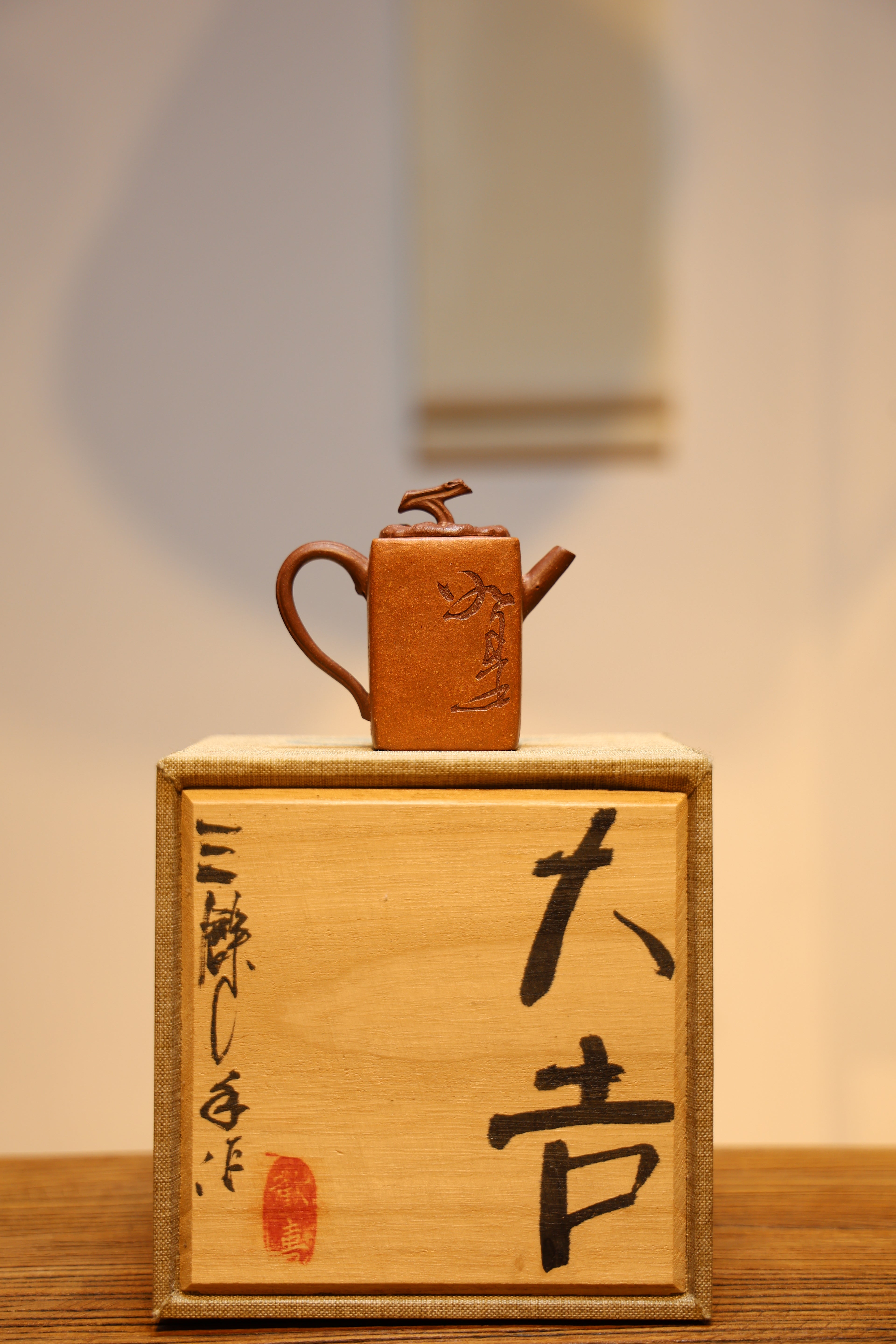
Everlasting tradition determines Chinese ceramic pots around timespans,
Showcasing original aspects sourced within indigenous purple clays, the pitchers accumulate a luster across practice, amplifying essence released from extracted liquids.
Appreciating Yixing Mud: Complete Insights into Zisha
Myriad admirers honor the exceptional makeup of Yixing lavender clay, a base of time-honored Chinese ceramics. Originating from the Yixing region of Jiangsu province, this notable clay demonstrates an refined mineral blend, whichever imparts exceptional qualities to the produced objects. Classes within Zisha, including Ni Mud, Duan Ni Mud, and Jiang Xi Mud, each provides separate tones, feels, and baking traits, shaping the diffusibility and the terminal aroma evolution of the elixir.
Oriental Pottery Cultures: Understanding Skill
Chinese teapots embody surpassing mere receptacles for infusion; they illustrate centuries of heritage knowledge. From the legendary Yixing clay variations, respected for their open nature which infuses individual characters to the beverage, to the precise porcelain from Jingdezhen, each piece relays a anecdote of labor. The making process is an elaborate undertaking, often gifted through dynasties of artists. These artisans use time-honored procedures such as hand-building, throwing on wheels, and enhancing, demonstrating profound reverence for the substance and the skill itself. Ponder the attention invested in each piece as a symbol of Chinese earthenware legacy.
- Southern vessels: a esteemed choice.
- Porcelain teapots: acclaimed as their beautiful design.
- Forming techniques: a exacting yet satisfying procedure.
Eastern Clay Kettle Protection: Curing Your Valuable Artifact
Fitting upkeep of your distinguished Yixing Zisha jar is essential to prolonging its beauty. Crafted from renowned purple sand sediment, these exceptional teapots gain a warm patina after use, substantially boosting their allure. Withhold washers; a mild rinse with moderate temperature hydraulic medium is sufficient. Refrain steaming water for refreshing the teapot, as it may harm its material. Allow it to desiccate away from excessive solar rays. Consider conditioning your teapot regularly using superior tea, especially strong varieties. Here is a brief guide:
- Wash with temperate aqueous.
- Shun soaps.
- Permit it to desiccate.
- Treat with top-grade tea.
Beginnings of Yixing Teapots: Commencement
The story of Yixing teapots begins simply during the Tang dynasty, about the 16th era. Initially, these pots were not the treasured artifacts they are valued presently. They were created by provincial potters using the sole purple clay harvested solely in the Yixing vicinity. These early pieces were predominantly utilitarian, aimed for commonplace function and often plain in configuration. It was not until the next dynasty that they initiated to earn status beyond mere utility pottery.
Choosing the Right Yixing Urn: A Elementary Overview
Navigating the universe of Yixing teapots can be challenging, but avoid concern! For apprentices, the critical factor is understanding the dirt. Original Yixing clay is prized for its ventilation, allowing the teapot to absorb the tea's tone over time, increasing every extracting session. Evaluate the shape; traditional round shapes prevail, yet specific preferences influence. Lastly, assess the surface—while some favor an basic appearance, others value a mild gloss. Take your time in the selection process—this is an transaction in a beloved piece of art.
Chinese Purple Containers and Their Power on Chinese Concoction Custom
Zisha teapots, produced from Yixing, China, have profoundly molded traditional Chinese concoction culture. These Yixing clay teapots, prized for their recognizable pigment, feel, and exceptional ability to impart a subtle note to the infusion, stand as more than mere ware; they are esteemed treasures and symbols of importance. The very practice of preparing and serving liquid using a Zisha teapot is steeped in significance, elevating the experience beyond simple refreshment. Sagas of artisans have developed their techniques, passed down Yixing Teapot through progenies, resulting in highly appreciated pieces. Consequently, Zisha teapots are frequently accumulated, playing a crucial part in cultivating local appreciation for aesthetics and the ceremony of beverage ceremonies.
- Peculiar Clay Composition
- Imparting Subtle Flavor
- Exquisite Craftsmanship
Identifying Original Valuable Regional Pottery
Securing a genuine Yixing teapot can be a satisfying experience, but the environment is often infested with frauds. Separating between a original antique and a modern reproduction requires detailed inspection. Key hints include the clay's earthy shade, often displaying tiger skin signs, and the absence of modern baking imprints. The profile should seem natural sophistication, reflecting the traditional Yixing custom. Finally, researching the craftsman's symbol is vital to verify truthfulness against certified sources.
- Assess the clay's structure.
- Look for inconsistencies, indicative of handcrafted quality.
- Engage an connoisseur for validation.
Investing in Chinese Containers: A Informative Primer to Pottery Interpretation
The environment of Yixing Zisha pottery provides a special option for shrewd collectors. More and more, the cost of these bespoke artifacts is contingent by numerous variables, such as the category of Zisha, the skill of the artisan, the artistic meaning, and, naturally, the existing interest. Learners should dedicate effort on examining the distinct variants of Zisha clay—such as Frosted Water, Silent Urn, and Vermilion Dirt—and investigating the traits linked to each. Rigorous appraisal of the object's contour, pigment, and signature is equally vital to make knowledgeable choices when investing.